The Naked Truth
1992
No user ratings available yet
Representation score: 2.0 out of 10
Representation Score
Limited
1998
Director
Jon Carnoy
Runtime
87 minutes
Average Rating
No ratings yetNew Showbiz Analysis
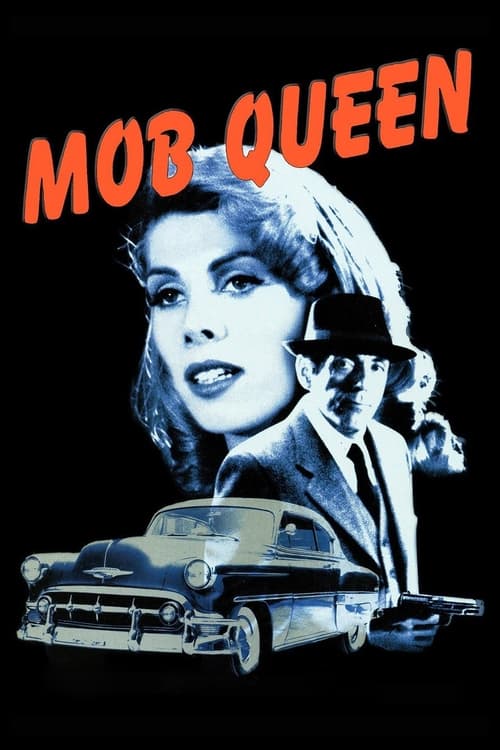
Mob Queen functions as a genre-driven comedy that uses identity as a catalyst for plot tension. While it introduces non-traditional elements through Glorice, these are framed through irony rather than deep exploration. The film's strength lies in its subversion of traditional gender hierarchies and expectations. However, these elements are utilized as tools for comedic conflict and blackmail rather than nuanced character studies. Ultimately, the work remains rooted in a conventional, period-specific framework. It lacks racial diversity and fails to move beyond the clichés of the 1950s criminal underworld to offer a broader perspective.
Category Breakdown
The film centers on Glorice, a character who challenges traditional gender roles. While the plot uses a gender-bent cliché, Glorice's identity is used primarily as a comedic device for deception and blackmail.
The narrative offers moderate subversion by having a male authority figure destabilized by a character defying traditional femininity. Glorice takes control through her blackmail plot, though the power dynamics remain comedic.
Set in 1957 Brooklyn, the story focuses on a localized, likely homogeneous criminal underworld. There is no evidence of diverse ethnic perspectives or non-white casting within this social milieu.
The film explores underground hierarchies and situational ethics within the mob structure. However, it lacks a systemic critique of Western institutions, operating instead within established crime-comedy clichés.
There are no visible or invisible disabilities depicted or mentioned in the narrative.
Present on Screen
Limited or Absent
Official Synopsis
In 1957 Brooklyn, small-time mobster George and his sidekick Dip realize they've forgotten the birthday of mob boss Joey, so they engage the services of prostitute Glorice. Joey's reaction to Glorice gives George a promotion, and he's installed as Joey's assistant. George makes the discovery that gender-bent Glorice is not exactly a woman after all. The problem gets worse: Joey intends to marry Glorice, but she plans to blackmail him after the wedding.
1992
1988
2015
1990

2015

1997
1975
1972
No reviews yet. Be the first to share your thoughts on this movie!
Use the rating form above to leave a star rating and optional review.