
Hello Yasothorn
2005
No user ratings available yet
Representation score: 3.6 out of 10
Representation Score
Fair
2001
Not RatedDirector
Pen-Ek Ratanaruang
Runtime
115 minutes
Average Rating
No ratings yetNew Showbiz Analysis
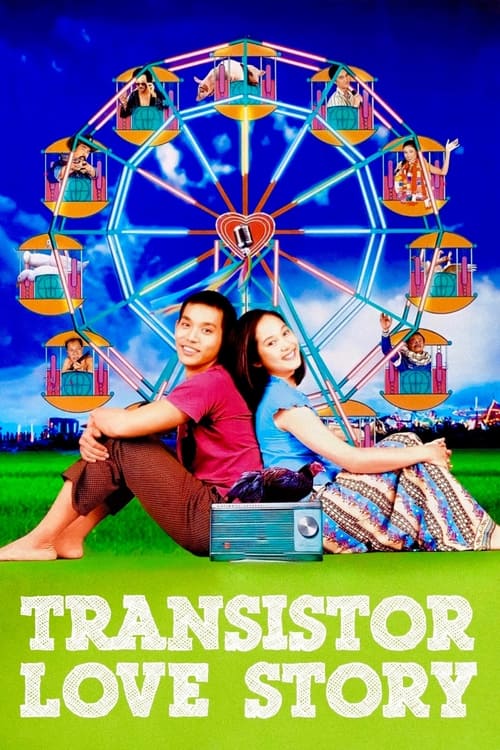
Transistor Love Story stands out as a postmodern critique of globalization and consumerism. By focusing on a Thai perspective, it avoids Western narrative dominance and offers a culturally authentic look at how media shapes our lives. While the film challenges traditional masculine stereotypes, it still struggles with gender dynamics. Female characters are often portrayed through technology, limiting their autonomy. Overall, the film's strength lies in its cultural specificity. It uses a localized setting to explore universal themes of social isolation and the loss of personal ability to act in a media-dominated world.
Category Breakdown
The film does not focus specifically on LGBTQ+ identities or challenge assumptions about straight relationships. It follows traditional romantic patterns, but these patterns are fragmented.
The film disrupts typical masculine stereotypes by showing a vulnerable and dysfunctional male character. However, there is a power imbalance where the female characters are often shown through technology, which limits their active roles.
The film features a predominantly Thai cast and setting, avoiding a Western-centric perspective. It centers a non-Western viewpoint to challenge Anglo-Saxon storytelling traditions and explores local socioeconomic issues.
The film examines how mass media and consumerism influence identity, focusing on a melancholic morality rather than religious or patriotic ideals. It looks at how technology affects traditional social bonds.
There is no significant portrayal of physical or neurodivergent disabilities in the film.
Present on Screen
Limited or Absent
Official Synopsis
An aspiring singer leaves his pregnant bride a radio for company when he is drafted into the army; unfit for military life, the man goes AWOL and joins a pop music troupe but soon after his wife tracks him down his life spirals out of control.
2005
1998

2011
1996

1997
2006
2010

2004
No reviews yet. Be the first to share your thoughts on this movie!
Use the rating form above to leave a star rating and optional review.