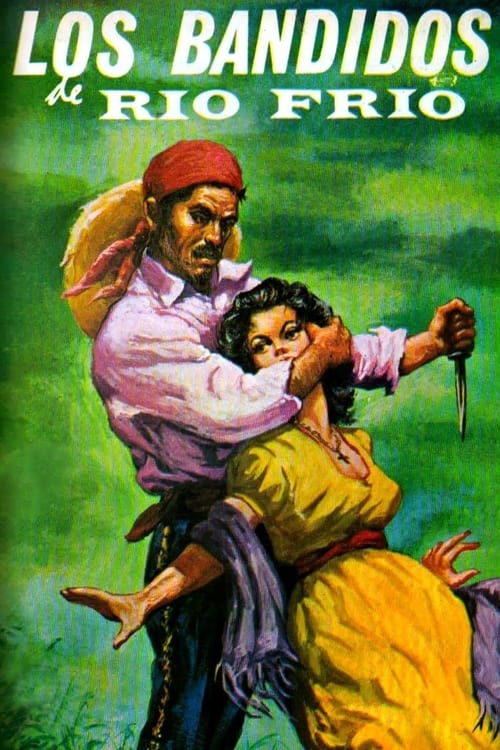
Los bandidos de Río Frío
1956
No user ratings available yet
Representation score: 4.3 out of 10

Representation Score
Limited
1961
Director
Rogelio A. González
Runtime
75 minutes
Average Rating
No ratings yetNew Showbiz Analysis
En Cada Feria Un Amor is a product of its time, serving as a traditional musical comedy that prioritizes established social norms and romantic clichés common to mid-century Mexican cinema. While the film captures regional cultural nuances through its cowboy and fair motifs, it fails to challenge broader societal norms. The focus remains on light-hearted escapism rather than addressing underrepresented identities. Ultimately, the film upholds the commercial standards of 1961, emphasizing predictable character roles and traditional social structures over diversity or subversion.
Category Breakdown
The film adheres to traditional romantic structures common in the early 1960s. There is no indication of non-straight relationships or critiques of the assumption that everyone is straight.
The story revolves around male characters pursuing romantic goals. Female characters seem to play traditional gender roles from the 1960s.
This Mexican production features a non-Anglo-Saxon cast. However, the representation seems uniform, reflecting the social norms of the time rather than diverse backgrounds.
The film uses cowboy and fair archetypes tied to local culture. It emphasizes escapism and traditional values without questioning Western institutions.
There is no evidence in the narrative regarding the inclusion of characters with visible or invisible disabilities.
Present on Screen
Limited or Absent
Official Synopsis
Two cowboy bon vivants on the shady side of the law travel from county fair to county fair...
1956

1962
1966
1965
1968

1957
1952
1966
No reviews yet. Be the first to share your thoughts on this movie!
Use the rating form above to leave a star rating and optional review.