Spookley and the Christmas Kittens
2019
No user ratings available yet
Representation score: 4.5 out of 10
Representation Score
Excellent
2022
Not RatedDirector
Julien Chheng, Jean-Christophe Roger
Runtime
80 minutes
Average Rating
No ratings yetNew Showbiz Analysis
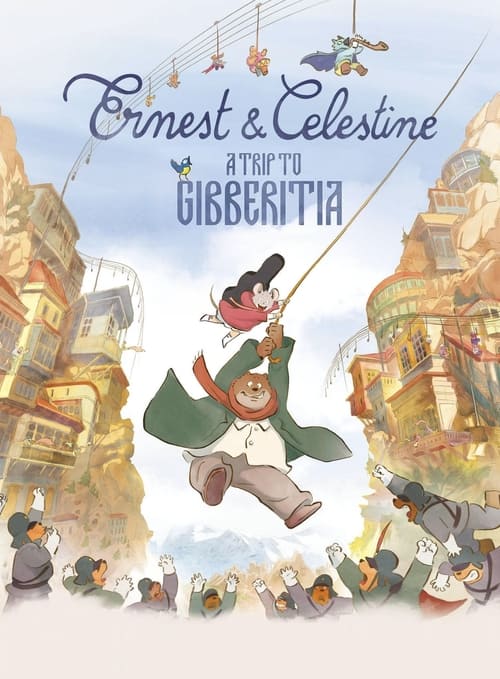
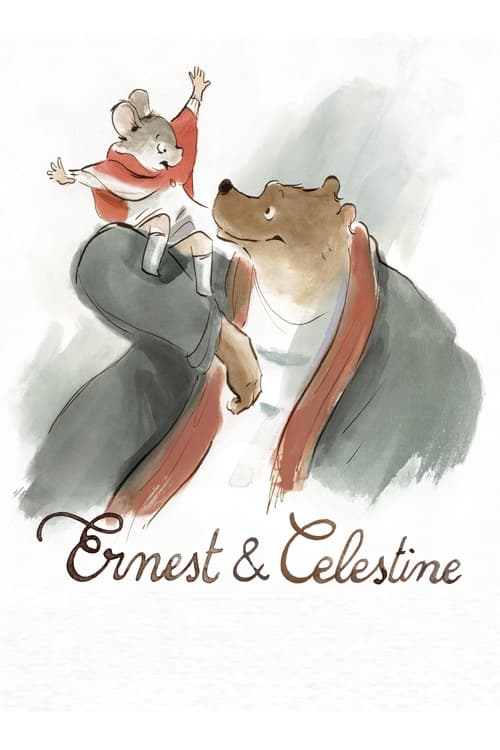
Ernest & Celestine: A Trip to Gibberitia employs animal allegory to effectively address complex themes of segregation and social hierarchy. The film’s strength lies in its ability to critique systemic exclusion through species interaction, offering a powerful metaphor for racial and ethnic integration. While the film excels in allegorical diversity and women's ability to drive the story, it remains moderate in areas like explicit LGBTQ+ or disability representation. The narrative focuses more on disrupting social norms through friendship than on specific identity markers. Ultimately, the film is a sophisticated exploration of liberation. It frames the pursuit of music and cross-species connection as a necessary rebellion against an oppressive, restrictive status quo.
Category Breakdown
The film highlights a strong, platonic relationship between a bear and a mouse, which challenges traditional social pairings. Although it doesn't explicitly label identities, the bond disrupts societal norms.
Célestine stands out as an independent, aspiring artist who follows her own curiosity rather than serving as emotional support. She plays a significant role in driving the story and making her own decisions.
The film uses animal allegory to address systemic exclusion and segregation. By showing interactions between different species, it critiques 'us vs. them' structures without relying on human racial stereotypes.
Set in Gibberitia, the film critiques authoritarianism and the suppression of individual expression. The protagonists prioritize artistic truth and personal connections over strict societal rules.
Characters who do not conform to their species' social norms highlight 'otherness.' However, the film does not provide explicit examples of physical or neurodivergent disabilities.
Present on Screen
Limited or Absent
Official Synopsis
Ernest and Celestine are travelling back to Ernest's country, Gibberitia, to fix his broken violin. This exotic land is home to the best musicians on earth and music constantly fills the air with joy. However, upon arriving, our two heroes discover that all forms of music have been banned for many years - and for them, a life without music is unthinkable. Along with their friends and a mysterious masked outlaw, Ernest and Celestine must try their best to bring music and happiness back to the land of bears.
2019
2022
2027
2022
2017
2012
2022
2021
No reviews yet. Be the first to share your thoughts on this movie!
Use the rating form above to leave a star rating and optional review.