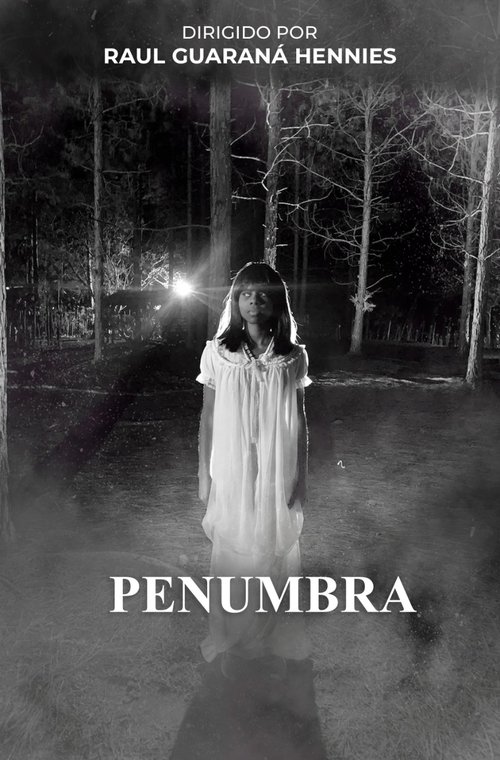
Penumbra
2022
No user ratings available yet
Representation score: 0.0 out of 10

Representation Score
Good
2020
Director
Anderson Corrêa, Carla Albuquerque
Average Rating
No ratings yetNew Showbiz Analysis
A Menininha stands out in the horror genre for its authentic demographic representation and its refusal to rely on Anglo-centric clichés. By using a predominantly Black cast, the film grounds its psychological horror in a realistic Brazilian socio-cultural context. The film's primary strength lies in its subversion of domestic stability. Instead of presenting the family as a safe haven, it uses the genre to deconstruct patriarchal hierarchies and examine the complexities of the female experience. However, the film lacks diversity in terms of LGBTQ+ representation and does not explicitly center physical disabilities. While it handles psychological trauma with nuance, the narrative remains focused on a narrow domestic scope.
Category Breakdown
The film does not include any LGBTQ+ characters or explore non-straight identities. The story focuses solely on the psychological and domestic dynamics of a central family.
The narrative centers on the experiences of a young girl named Rosa, providing a female perspective. It challenges traditional patriarchal roles by depicting the domestic sphere as unstable rather than secure.
The film features a predominantly Black cast that accurately reflects the racial makeup of rural Brazil. This avoids common genre clichés of whitewashing and gives significant roles to characters of color.
The film questions the sanctity of the nuclear family by showing it as a source of trauma. It prioritizes psychological truth over traditional moralistic or religious resolutions.
While physical disabilities are not the main focus, the film explores invisible psychological trauma. The protagonist's haunting serves as a metaphor for the weight of unseen mental health struggles.
Present on Screen
Limited or Absent
2022

2017

2024

2015

2021
2016
2022
2019
No reviews yet. Be the first to share your thoughts on this movie!
Use the rating form above to leave a star rating and optional review.