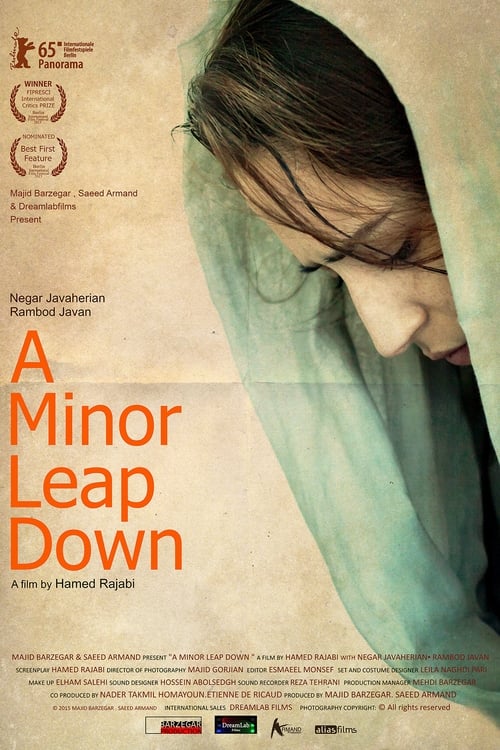
A Minor Leap Down
2015
No user ratings available yet
Representation score: 7.9 out of 10
No Poster Available
Representation Score
Good
2012
Director
Manouchehr Hadi
Runtime
90 minutes
Average Rating
No ratings yetNew Showbiz Analysis
Manouchehr Hadi's drama offers a compelling look at female autonomy within restrictive social frameworks. By focusing on a mother's struggle for independence, the film critiques traditional gender hierarchies and the legal constraints placed on women. The film successfully provides a non-Western perspective, moving away from Anglo-Saxon cinematic norms. It uses a localized Iranian context to explore universal themes of grief and systemic conflicts. However, the narrative stays within conventional domestic boundaries. The lack of queer representation and the ethnically homogeneous cast limit its scope in reflecting diverse identities.
Category Breakdown
The film does not include any explicit LGBTQ+ characters or stories. Instead, it focuses on a traditional family structure involving a mother, daughter, and ex-husband.
Leila is the main character who drives the plot forward, dealing with issues of female autonomy and the need for male consent in certain situations.
As an Iranian production, the film provides a non-Western perspective. It presents a localized cultural setting that breaks away from the typical Western viewpoint in global cinema.
The story examines how institutional and legal systems affect individuals' actions. It emphasizes the emotional journey of the mother over strict patriarchal rules.
The plot revolves around the medical crisis of the daughter's brain death. It focuses on the legal and ethical issues surrounding this condition.
Present on Screen
Limited or Absent
Official Synopsis
Yasaman has been living with her mother Leila since birth. Leila has never let her see her father. When Yasaman gets brain death in an accident, Leila has one week time to get consent from her ex-husband for a vital issue.
2015

2014
2019
2013

2008
2025
2023

2014
No reviews yet. Be the first to share your thoughts on this movie!
Use the rating form above to leave a star rating and optional review.