Find another title
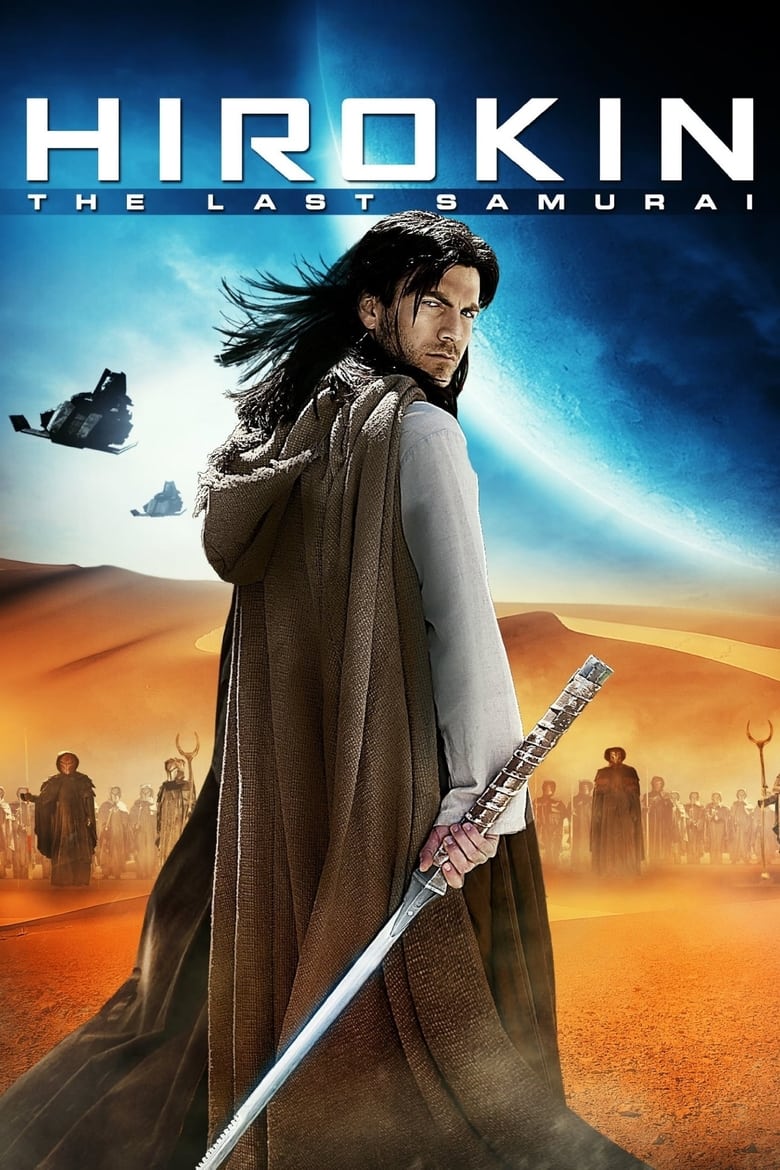
Hirokin: The Last Samurai
2012
RDirector
Alejo Mo-Sun
Runtime
105 minutes
Average Rating
No ratings yetSynopsis
In a planet where humans must scavenge the post-apocalyptic barren wasteland, Hirokin – a reluctant warrior with a dark past – sets off on mission to fulfill his destiny. Having fought to the death to save his wife and son from the planets evil dictator – Griffin – and his elite army of hunters, the lone warrior is left for dead in the vast desert. Armed with his samurai blade, Hirokin is forced to choose between avenging the murder of his family and fighting for the freedom his people. In a twist of fate and with a small rebellion by his side Hirokin s vision finally becomes clear.
Where to Watch
Diversity & Representation
Overall Score
Fair
Category Breakdown
LGBTQ+ Representation
The story centers on a traditional heteronormative family unit consisting of a wife and son. No non-cisnormative identities are present in the narrative.
Gender Representation
The film relies on masculine archetypes, focusing on a warrior driven by vengeance. Female characters serve primarily as victims to motivate the protagonist's journey.
Racial & Ethnic Diversity
A samurai blade suggests a specific cultural aesthetic, though it is unclear if this represents literal ethnicity. The wasteland setting leaves ethnic representation speculative.
Religious & Cultural Diversity
The narrative critiques centralized authority by framing the dictator as an oppressive force. It favors grassroots rebellion over established, state-like power structures.
Disability Representation
There is no mention of physical disability, neurodivergence, or chronic illness. The character descriptions do not include any representation of disability.
Strengths
- The film provides a clear critique of centralized, authoritarian power structures.
- The narrative promotes themes of grassroots resistance and rebellion against oppression.
Areas for Improvement
- The story relies heavily on traditional masculine archetypes and gendered vulnerability.
- There is a lack of representation for LGBTQ+ identities and various disabilities.
- The narrative lacks intersectional complexity and diverse social hierarchies.
AI Analysis
Hirokin: The Last Samurai follows a classic hero's journey set in a post-apocalyptic wasteland. The plot focuses on a lone warrior transitioning from personal vengeance to a broader struggle for systemic freedom. While the film offers a critique of authoritarianism through its depiction of a rebellion against a dictator, it remains rooted in traditional tropes. The narrative lacks intersectional complexity, focusing instead on individualistic struggle and conventional family dynamics. Ultimately, the film's reliance on masculine archetypes and heteronormative structures limits its diversity. It functions as a genre-driven action piece rather than a deconstruction of social hierarchies.
Rate this Movie
Reviews
No reviews yet. Be the first to share your thoughts on this movie!
Use the rating form above to leave a star rating and optional review.