Find another title
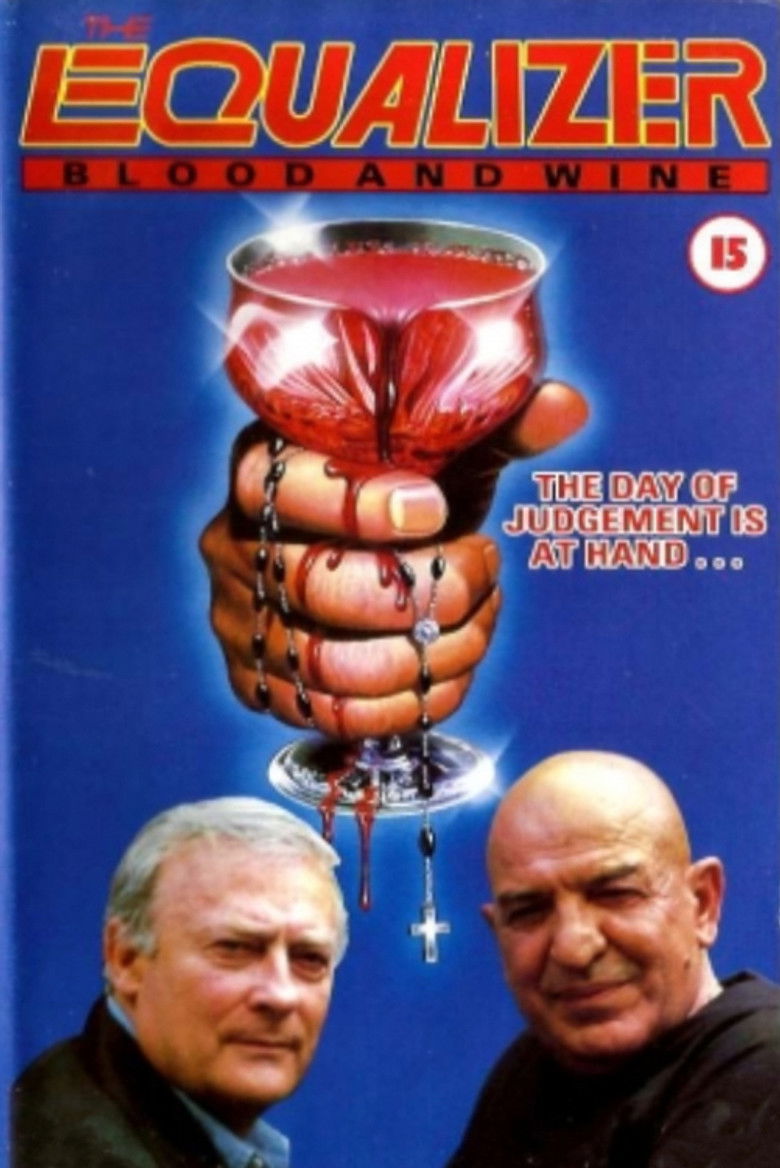
The Equalizer - The Movie: Blood & Wine
1987
TV-PGDirector
Alan Metzger
Runtime
100 minutes
Average Rating
No ratings yetSynopsis
Robert McCall is forced to work with a former terrorist turned monk by the name of Joseph Heiden(Telly Savalas), whom he despises and mistrusts, on a deadly mission in New York.
Where to Watch
Diversity & Representation
Overall Score
Limited
Category Breakdown
LGBTQ+ Representation
The film lacks LGBTQ+ characters or narratives that critique heteronormativity. The central dynamic focuses on a traditional masculine partnership.
Gender Representation
The story centers on a male-driven conflict between Robert McCall and Joseph Heiden. It emphasizes masculine archetypes without showing female characters with significant agency.
Racial & Ethnic Diversity
While Telly Savalas brings Greek heritage to the cast, the narrative lacks evidence of interracial intimacy. The primary character interactions do not appear to disrupt historical racial norms.
Religious & Cultural Diversity
The plot follows traditional Western thriller conventions centered on individual redemption. It does not offer a critique of Western institutions or prioritize identity politics.
Disability Representation
There is no mention of characters navigating physical, sensory, or neurodivergent disabilities within the narrative.
Strengths
- The inclusion of Telly Savalas provides a touch of ethnic diversity through his Greek descent.
Areas for Improvement
- The film lacks female characters with agency or meaningful roles.
- There is no representation of LGBTQ+ identities or non-cisnormative characters.
- The narrative fails to address disability or neurodivergent experiences.
- The story lacks intentionality regarding racial diversity or interracial dynamics.
AI Analysis
The film operates as a standard 1980s action-thriller, prioritizing genre tropes over social complexity. The narrative architecture is built around traditional masculine archetypes, specifically the vigilante and the former terrorist. This focus limits the scope for diverse perspectives or intersectional storytelling. Because the story relies on conventional character dynamics, it fails to challenge established social hierarchies. The lack of visible representation across most categories reflects the era's adherence to mainstream, male-centric action frameworks.
Rate this Movie
Reviews
No reviews yet. Be the first to share your thoughts on this movie!
Use the rating form above to leave a star rating and optional review.