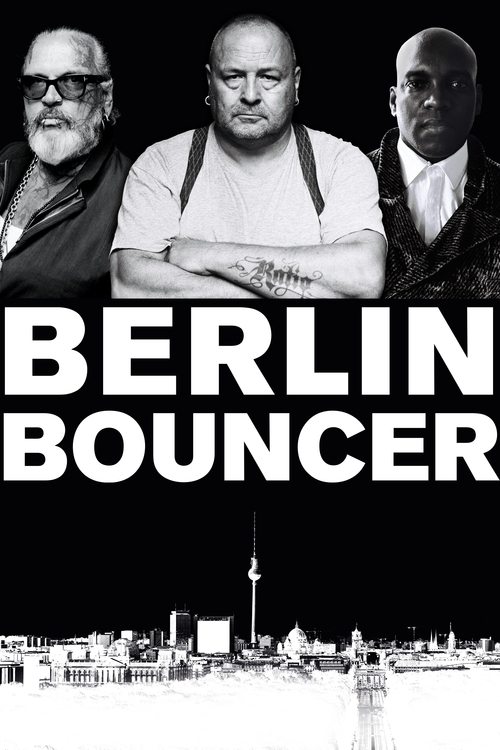
Berlin Bouncer
2019
No user ratings available yet
Representation score: 8.7 out of 10

Representation Score
Good
2001
NRDirector
Steven Cantor
Runtime
71 minutes
Average Rating
No ratings yetNew Showbiz Analysis
Steven Cantor’s documentary offers a detailed look at the psychological and physical labor of nightclub bouncers. It goes beyond simple character studies to explore how authority is perceived and exercised in urban environments. The film successfully challenges the 'enforcer' cliché, examining the tension between professional expertise and the perception of security as intimidation. It uses diverse urban settings to examine class and power dynamics. However, its narrow focus on hyper-masculine archetypes limits the representation of gender diversity and non-cisgender identities within the nightlife subculture.
Category Breakdown
The film focuses on the hyper-masculine world of nightclub security, which often intersects with queer spaces. However, it does not explicitly highlight non-cisgender identities or specific struggles faced by LGBTQ+ individuals.
The documentary emphasizes a traditional gender hierarchy by showcasing 'burly boys' as protectors. It largely reinforces the stereotype of the male enforcer through physical dominance and protective roles.
The film achieves meaningful representation by highlighting figures like Terence 'The Black Prince' Buckley. It underscores the racialized nature of authority within major urban nightlife economies.
The narrative explores the tension between underrepresented workers and capitalist entertainment structures. It provides a nuanced view of urban social structures and the socioeconomic realities of the nightclub circuit.
The film does not significantly portray characters with disabilities. Its focus on high-intensity security tasks emphasizes able-bodiedness and physical prowess.
Present on Screen
Limited or Absent
Official Synopsis
Steven Cantor's award-winning documentary chronicles of the lives of bouncers - the burly boys who guard both sides of the door in nightclubs across America. The film takes an inside look at the mindset of these frequently ridiculed, but always feared enforcers of the night and examines whether they are skilled experts in security, hired to anticipate trouble, or just hired thugs meant to intimidate. Revealed within is a world of notorious nightclub bouncers, including New York's Terence "The Black Prince" Buckley and British legend Lenny "The Guv'nor" McLean who appeared in "Lock, Stock and Two Smoking Barrels" Written by Sujit R. Varma
2019
2000
2003

2016
2000

2011

2000
2005
No reviews yet. Be the first to share your thoughts on this movie!
Use the rating form above to leave a star rating and optional review.