Birthplace
1992
No user ratings available yet
Representation score: 3.7 out of 10
Representation Score
Limited
1996
TV-MADirector
Marian Marzynski
Runtime
174 minutes
Average Rating
No ratings yetNew Showbiz Analysis
Marian Marzynski’s documentary is a powerful study of historical preservation and the fight against cultural erasure. It succeeds by centering the Jewish diaspora, effectively disrupting homogeneous narratives of Polish town history through the lens of the Bransk community. The film’s strength lies in its refusal to allow the systematic removal of a population to result in total historical amnesia. By highlighting the tension between contemporary authorities and the town's Jewish past, it provides a vital critique of institutionalized forgetting. However, the work is constrained by its historical subject matter. It lacks representation of modern identity categories like LGBTQ+ narratives and does not address disability, operating instead within the traditional social frameworks of the era it documents.
Category Breakdown
The film focuses on the reconstruction of Ashkenazi Jewish life. There are no documented LGBTQ+ narratives or non-conforming gender identities within the archival footage or interviews.
Gender roles reflect the traditional communal and religious structures of the historical shtetl. While survivors share their stories, the social structures depicted follow patriarchal hierarchies.
The documentary excels by centering a underrepresented ethnic minority. It uses archival footage to restore ability to act to a population systematically removed from the Eastern European landscape.
The film critiques how municipal institutions can facilitate cultural amnesia. It prioritizes the preservation of religious identity against a backdrop of institutionalized forgetting.
There is no significant evidence regarding the portrayal of physical or neurodivergent disabilities. The scope remains focused on ethnic and religious identity.
Present on Screen
Limited or Absent
Official Synopsis
The small town of Bransk used to boast a large Jewish population before the Holocaust. As Bransk prepares to celebrate its 500th anniversary, the authorities debate whetherto acknowledge the town's Jewish past
1992
1989
2009
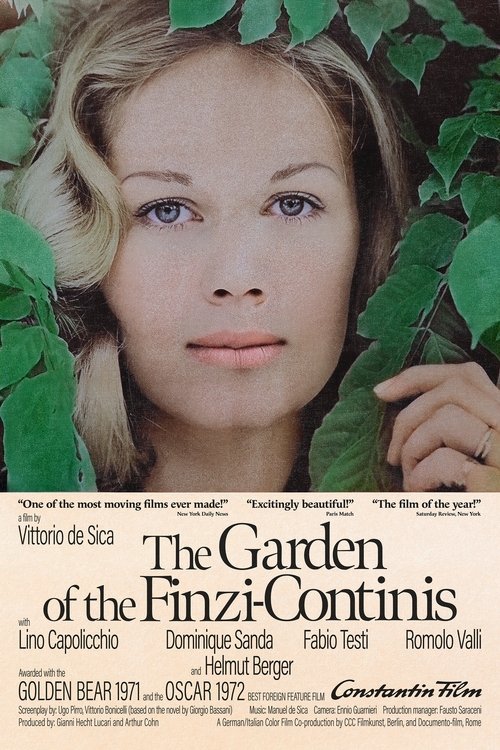
1970

2017
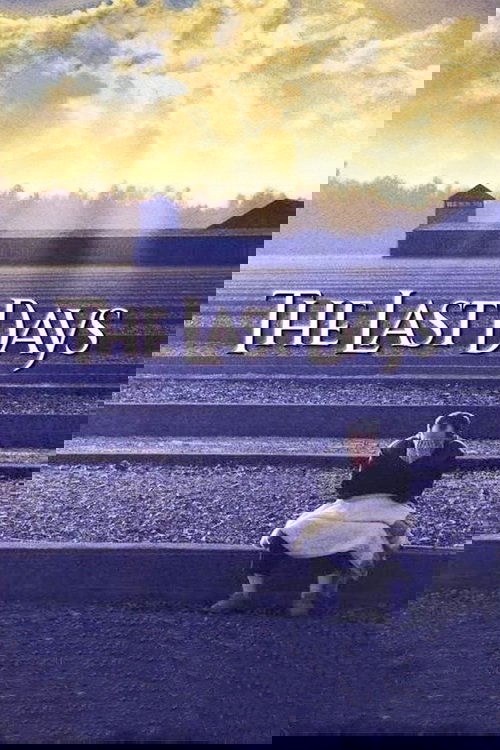
1998
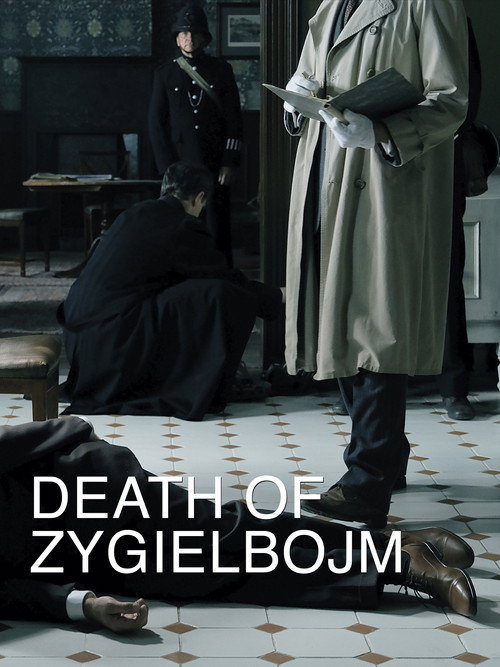
2021
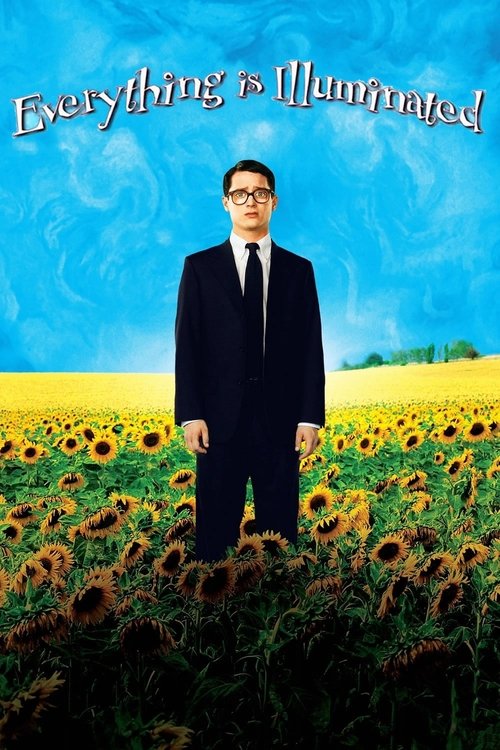
2005
No reviews yet. Be the first to share your thoughts on this movie!
Use the rating form above to leave a star rating and optional review.