Cutting Horse
2002
No user ratings available yet
Representation score: 4.7 out of 10
Representation Score
Minimal
2007
RDirector
Leonard Farlinger
Runtime
89 minutes
Average Rating
No ratings yetNew Showbiz Analysis
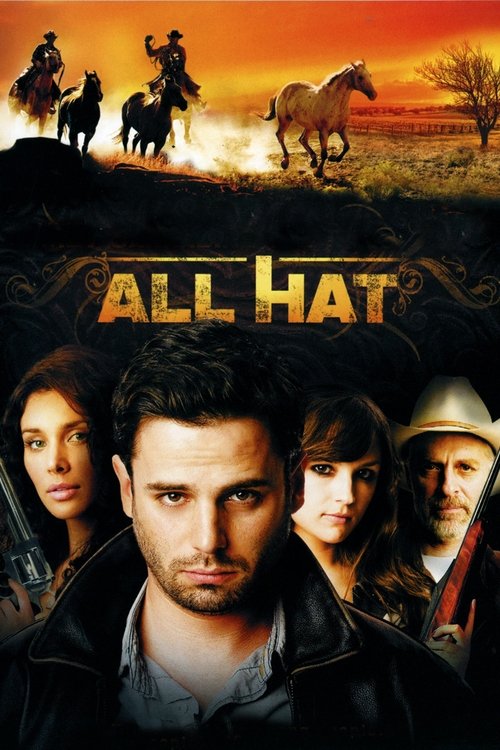
All Hat operates as a traditional genre piece, relying heavily on Western and comedy-drama clichés. The narrative follows a classic returning hero arc, focusing on the tension between individual ability to act and corporate expansion. The film emphasizes themes of rural preservation and localism over diverse identity representation. It centers the plot on established masculine archetypes, highlighting male camaraderie and individual heroism. While the story offers a critique of modern institutional growth, it does so through a conventional lens. It lacks the systemic social deconstruction or diverse identity representation found in more contemporary prestige cinema.
Category Breakdown
The film does not include any LGBTQ+ characters or non-cisgender identities. The story revolves around traditional rural characters.
The story centers on male-coded characters like the former baseball player and the cowboy. Female characters have little influence in the main storyline.
The setting suggests a focus on established rural populations in Ontario and Texas. There is no indication of intentional blending of different racial backgrounds or non-white casting.
The film critiques the impact of capitalism and urban development on local traditions. It portrays the struggle through the lens of rural resilience and personal determination.
There is no mention of characters with visible or invisible disabilities in the narrative.
Present on Screen
Limited or Absent
Official Synopsis
An ex-con returns to his rural Ontario roots and outwits a corrupt and wealthy thoroughbred owner trying to take over a slew of local farms. Ray Dokes, a charming ex-ballplayer, returns from jail to discover the rural landscape of his childhood transformed by urban development. Determined to stay out of trouble, Ray heads to the farm of his old friend Pete Culpepper, a crusty Texas cowboy who trains losing racehorses and whose debts are growing faster than his corn.
2002
1979
1973
2001
2001
2018
2004
2021
No reviews yet. Be the first to share your thoughts on this movie!
Use the rating form above to leave a star rating and optional review.