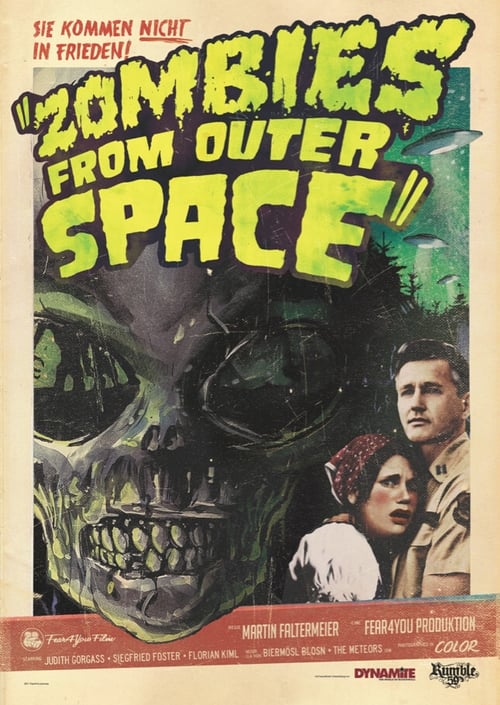
Zombies from Outer Space
2012
No user ratings available yet
Diversity score: 3.6 out of 10
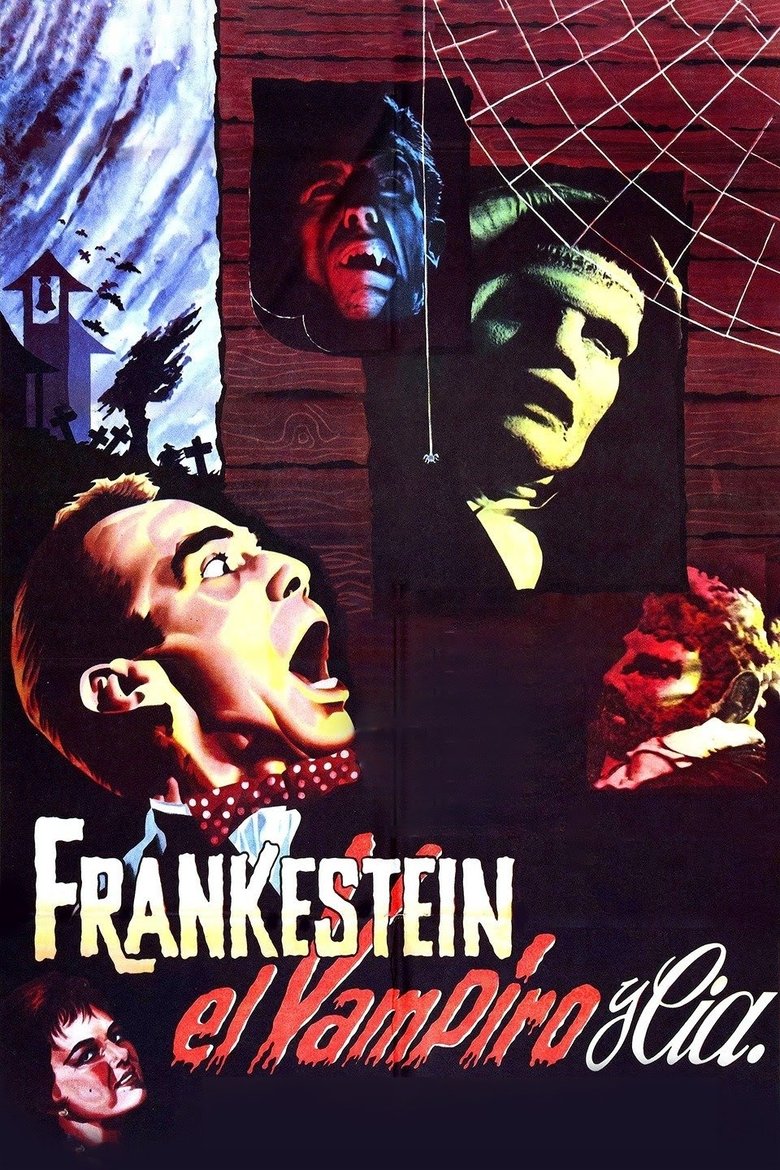
1962
Director
Benito Alazraki
Runtime
76 minutes
Average Rating
No ratings yetSynopsis
Two screwballs get mixed up with monsters, mad scientists and vampires.
Overall Score
Fair
Category Breakdown
LGBTQ+ Representation
The film focuses on chaotic interpersonal dynamics typical of screwball comedies. There is no specific evidence of non-cisnormative identities or narratives that critique heteronormativity.
Gender Representation
The genre often utilizes gendered archetypes for comedic effect. While some screwball films feature witty female leads, this work relies on standard mid-century tropes.
Racial & Ethnic Diversity
Directed by Benito Alazraki, the film operates outside the Anglo-Saxon cinematic tradition. This non-Western creative foundation disrupts the homogeneity of the global horror canon.
Religious & Cultural Diversity
The blend of horror and comedy suggests a level of moral relativism. Monsters and mad scientists are framed through absurdity rather than singular morality.
Disability Representation
There is no evidence of characters with visible or invisible disabilities within the film's context.
Strengths
Areas for Improvement
AI Analysis
Frankenstein, the Vampire and Company serves as a genre-bending hybrid of horror, comedy, and science fiction. Its primary contribution to diversity stems from its production origin, as Benito Alazraki’s direction provides a non-Western lens on traditional genre tropes. While the film offers a necessary disruption to the standard Western horror narrative, it lacks explicit intersectional complexity. The screwball elements suggest a reliance on established mid-century archetypes rather than progressive identity-based storytelling. Ultimately, the film sits in a moderate position. It succeeds in diversifying the creative pedigree of the genre, even if the specific character narratives remain rooted in the era's conventional comedic structures.
2012

1988

1989
1992
1987
No reviews yet. Be the first to share your thoughts on this movie!
Use the rating form above to leave a star rating and optional review.