
Colo
2017
No user ratings available yet
Diversity score: 5.8 out of 10
2018
Director
Isabel Prahl
Runtime
91 minutes
Average Rating
No ratings yetSynopsis
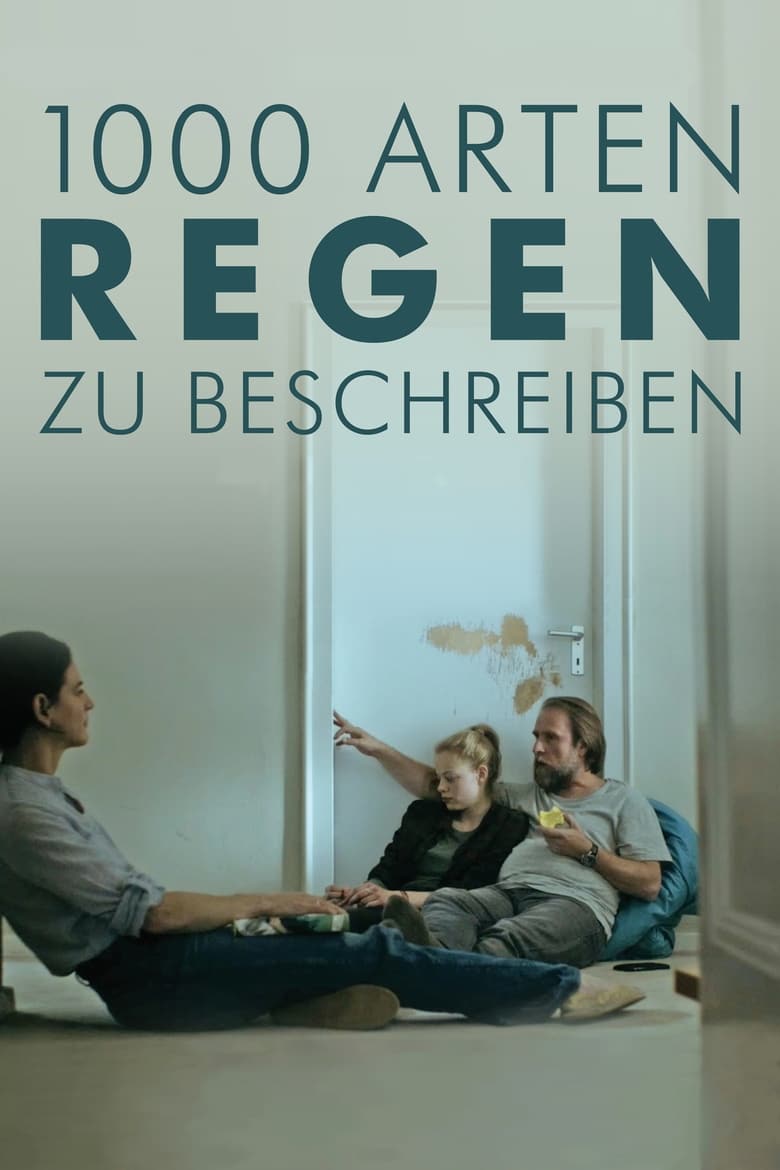
The door has been closed for many weeks. A teenager has locked himself in - shutting out a helpless father, mother and sister. In Japan, youths like him have already been given a name: Hikikomori (the secluded). The phenomenon is also beginning to spread throughout the Western world. This is all the family has been able to find out. All they can do is stand in front of the locked door and ask, beg, implore, throw tantrums, despair, accuse, ignore and hope. All the while, the door increasingly becomes a mirror of their own lives.
Overall Score
Good
Category Breakdown
LGBTQ+ Representation
The film explores social withdrawal, which often intersects with identity exploration. While specific queer identities are not explicitly detailed, the narrative provides space for non-traditional social roles.
Gender Representation
The story subverts traditional domestic hierarchies by portraying parents and a sister in states of desperation. It avoids the trope of the stable patriarch or matriarch, favoring a fractured reality.
Racial & Ethnic Diversity
Set within a Western framework, the film focuses on a localized domestic crisis. There is no explicit evidence of a non-white majority cast or intentional racial blending.
Religious & Cultural Diversity
The film offers a progressive critique of modern social expectations and capitalist productivity. It deconstructs the traditional family unit, viewing the domestic sphere as a site of systemic dysfunction.
Disability Representation
By centering on the Hikikomori phenomenon, the film provides a platform for exploring mental health and invisible disabilities. It avoids inspiration porn, focusing instead on the complex reality of seclusion.
Strengths
Areas for Improvement
AI Analysis
Different Kinds of Rain is a psychological drama that finds its strength in deconstructing social and familial norms. It moves away from idealized domesticity to examine the friction caused by social alienation and mental health struggles. The film excels at portraying the messy, non-linear reality of a family in crisis. It treats the psychological state of the secluded teenager as a catalyst for examining broader societal failures rather than just an individual problem. However, the narrative appears limited by a lack of explicit racial and LGBTQ+ diversity. While it offers deep thematic complexity regarding mental health, it remains rooted in a likely homogeneous Western setting.
2017

2008

2016

2018

2005

2019

2018
2017

2020

2017
2021

1997
No reviews yet. Be the first to share your thoughts on this movie!
Use the rating form above to leave a star rating and optional review.