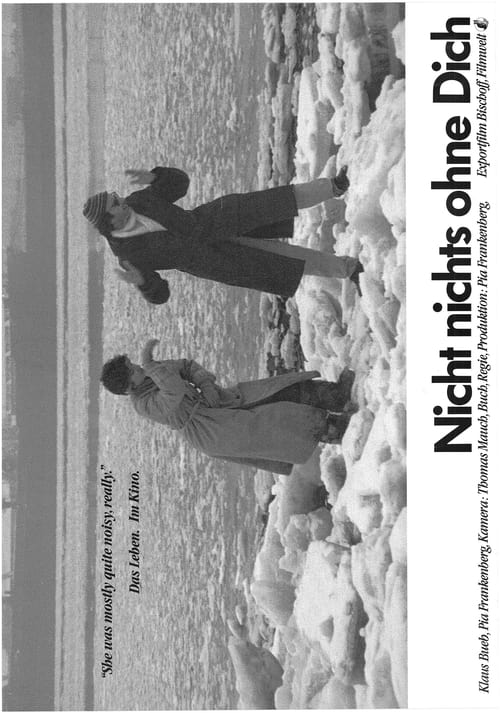
Ain’t Nothin’ Without You
1985
No user ratings available yet
Diversity score: 6.6 out of 10

1978
NRDirector
Carlos Mayolo, Luis Ospina
Runtime
29 minutes
Average Rating
No ratings yetSynopsis
Two filmmakers travel around impoverished sectors of the cities of Bogotá and Cali in search of the images of abjection needed to complete a documentary commissioned by German TV. Meanwhile, another camera captures these “vampire” filmmakers feeding off the misery of their marginal subjects.
Overall Score
Good
Category Breakdown
LGBTQ+ Representation
The film lacks explicit LGBTQ+ character arcs or non-cisnormative identities. Its narrative focus remains centered on the socio-economic relationship between observers and the observed.
Gender Representation
The film disrupts traditional gender hierarchies by subverting the heroic male archetype. It portrays filmmakers as parasitic rather than noble truth-seekers, challenging 1970s cinematic tropes.
Racial & Ethnic Diversity
The narrative centers on marginalized populations in Bogotá and Cali. It critiques how Western media utilizes imagery of the Global South to satisfy foreign curiosity.
Religious & Cultural Diversity
The work excels in critiquing Western institutional voyeurism. It adopts an anti-colonialist stance, framing the Western media apparatus as an extractive and oppressive force.
Disability Representation
There is no specific evidence regarding the portrayal of individual disabilities or neurodivergence as central narrative drivers within the film.
Strengths
Areas for Improvement
AI Analysis
The film is a sophisticated piece of cinematic deconstruction that prioritizes systemic critique over traditional storytelling. It succeeds by exposing the predatory relationship between Western media and the marginalized populations of the Global South. While it excels in racial and cultural representation through its anti-colonialist lens, it lacks specific focus on LGBTQ+ identities or disability. Its strength lies in its interrogation of power dynamics and the ethics of the gaze. Ultimately, the film functions as a meta-cinematic tool to challenge the 'civilizing' mission of documentary filmmaking, making it a vital work of social commentary.
1985

2016
1984

2011
1989
2000
2020

1957

1968
2000

1968
1991
No reviews yet. Be the first to share your thoughts on this movie!
Use the rating form above to leave a star rating and optional review.