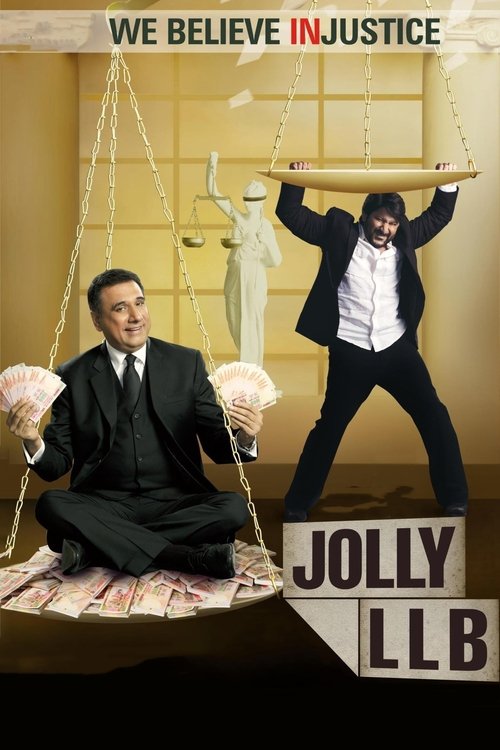
Jolly LLB
2013
No user ratings available yet
Representation score: 2.8 out of 10
Representation Score
Fair
2025
Director
Subhash Kapoor
Runtime
156 minutes
Average Rating
No ratings yetNew Showbiz Analysis
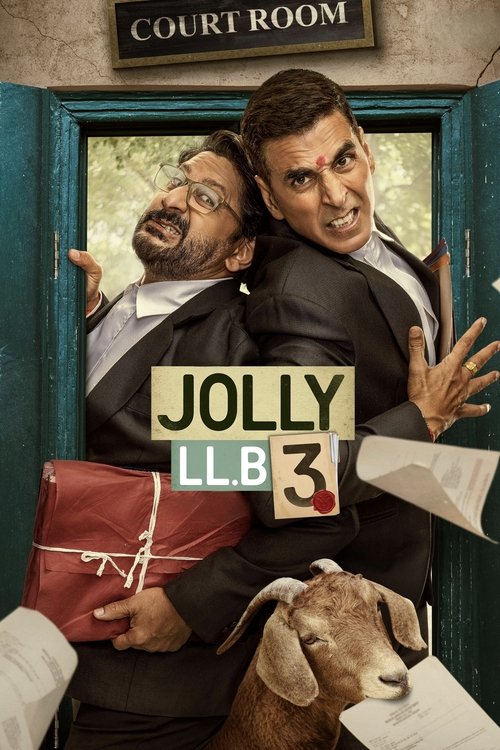
Jolly LLB 3 serves as a biting social satire that prioritizes the struggles of the underrepresented over traditional legal formalities. The film succeeds in using regional identities and gendered conflicts to critique the gap between the elite and the common person. While the film excels at highlighting class warfare and gender prejudice, it remains silent on queer identities and disability representation. The focus is heavily weighted toward socio-economic and patriarchal critiques. Ultimately, the film uses a framework of subjective morality to challenge institutional power, making it a progressive look at systemic injustice despite its narrow focus on specific identity groups.
Category Breakdown
The film does not include any explicit LGBTQ+ characters or storylines. There is no visible representation of non-straight relationships or identities.
The story actively challenges patriarchal legal frameworks. It centers on a widow's quest for justice and highlights how gender prejudice silences female protesters.
The film explores identity through Indian regional distinctions, such as Bikaner, Meerut, and Kanpur. It uses these backgrounds to highlight socio-economic divides.
The narrative offers a sharp critique of capitalist structures and institutional corruption. It pits underrepresented farmers against powerful business tycoons to expose systemic inequality.
There is no evidence of characters with physical or neurodivergent disabilities in the plot.
Present on Screen
Limited or Absent
Official Synopsis
The third part of the Jolly LLB trilogy brings back Jagdish Tyagi and Jagdishwar Mishra for the biggest face-off as penurious widow Janki Devi Solanki awaits justice against business tycoon Haribhai Khaitan in a satire on the judiciary, justice and the gulf between the privileged and the people on the other side of the spectrum.
2013
2017
2006

2019
2020

2021

2020

2022
No reviews yet. Be the first to share your thoughts on this movie!
Use the rating form above to leave a star rating and optional review.