
Road to Juarez
2015
No user ratings available yet
Representation score: 3.7 out of 10
Representation Score
Limited
2008
RDirector
Amir Valinia
Runtime
83 minutes
Average Rating
No ratings yetNew Showbiz Analysis
Jump Out Boys functions as a conventional action-thriller that heavily relies on established genre archetypes. The narrative structure centers around individual conflict and the enforcement of legal boundaries, prioritizing these elements over any meaningful exploration of social or identity-based hierarchies. While the film includes non-Anglo-Saxon characters, they are used to fulfill specific clichés, such as the criminal antagonist. This limits the depth of the film's ethnic and cultural representation. The film maintains traditional power dynamics, focusing on a high-stakes pursuit of capital and the restoration of order, which offers little subversion of systemic norms.
Category Breakdown
The film lacks LGBTQ+ characters or narratives. The central romantic dynamic follows a conventional straight-centered structure between the antagonist and his girlfriend.
Gender roles in the film follow traditional hierarchies. Male characters drive the plot, while the female character primarily serves as a means to an end rather than an independent agent.
The film introduces ethnic complexity through a Mexican drug lord, but this character is portrayed within the typical criminal antagonist archetype rather than a nuanced depiction.
The story adheres to Western crime clichés, focusing on legal enforcement and the recovery of order rather than cultural subversion.
There is no mention of characters with visible or invisible disabilities in the narrative.
Present on Screen
Limited or Absent
Official Synopsis
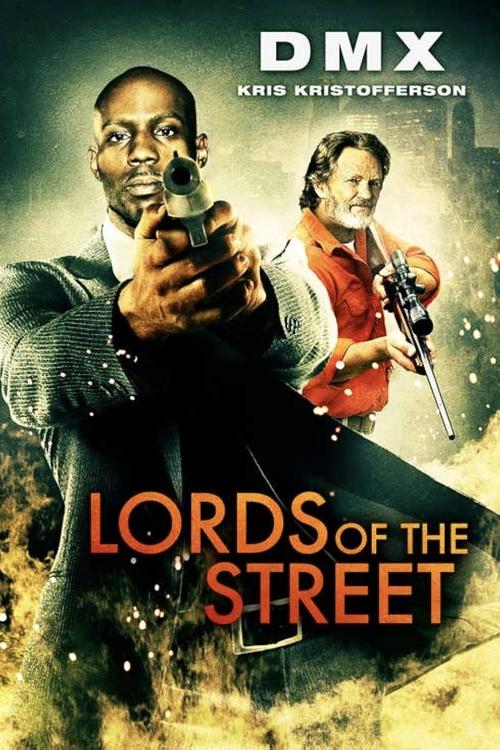
Set in post hurricane New Orleans. A brutal Mexican drug lord (Armando LeDuc) busts out of jail to retrieve the $15 million that his girlfriend is hiding. But detective Raymond (Kris Kristofferson) and McCoy (Sheldon Robbins) will try their best to put him back to where he belongs.
2015
2013
2017
2005
2016
2012
2008
2018
No reviews yet. Be the first to share your thoughts on this movie!
Use the rating form above to leave a star rating and optional review.