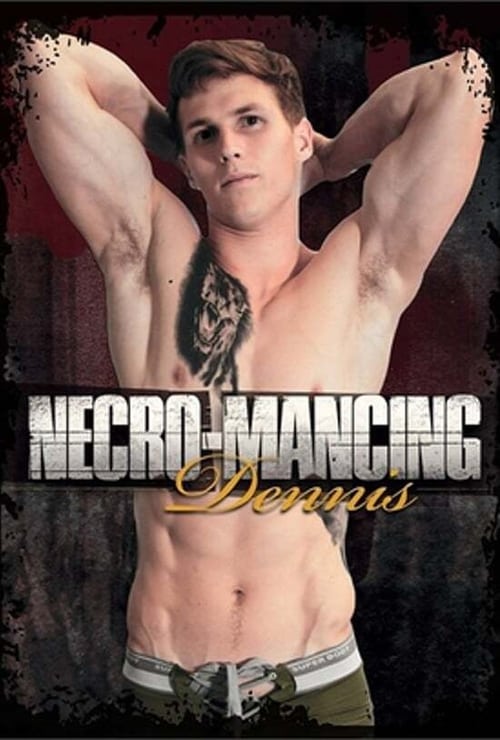
Necro-Mancing Dennis
2018
No user ratings available yet
Representation score: 4.5 out of 10

Representation Score
Excellent
2008
Not RatedDirector
Bruce LaBruce
Runtime
94 minutes
Average Rating
No ratings yetNew Showbiz Analysis
Bruce LaBruce creates a sophisticated subversion of social hierarchies, using queer theory to celebrate the outsider. The film effectively dismantles mainstream authority and straight-centered constructs, emphasizing the importance of rejecting social norms for identity. While the film excels in exploring sexual ethics and moral relativism, its focus on a specific subcultural niche limits the scope of racial and ethnic diversity on screen. Ultimately, the work stands as a transgressive piece of cinema. It replaces traditional patriarchal leadership with a chaotic, communal structure, making it a significant contribution to underground queer filmmaking.
Category Breakdown
The film centers entirely on non-straight relationships, avoiding including someone from a minority group without giving them real depth by making queer desire and intimacy the main driver of the plot.
The narrative challenges conventional expectations by focusing on hyper-masculine, punk-influenced queer dynamics. It explores masculinity and social structures in a fluid and decentralized way.
The cast is largely homogeneous within its specific Berlin queer-punk scene. While it avoids whitewashing, the niche setting limits the representation of diverse racial backgrounds.
The story criticizes traditional Western institutions and bourgeois capitalism. It promotes a secular, underground lifestyle as a form of liberation.
The zombie cliché symbolizes vulnerability and otherness. However, it primarily serves as a narrative device rather than a detailed exploration of disability.
Present on Screen
Limited or Absent
Official Synopsis
A young zombie named Otto appears on a remote highway. He has no idea where he came from or where he is going. After hitching a ride to Berlin and nesting in an abandoned amusement park, he begins to explore the city. Soon he is discovered by underground filmmaker Medea Yarn, who begins to make a documentary about him with the support of her girlfriend, Hella Bent, and her brother Adolf, who operates the camera. Meanwhile, Medea is still trying to finish Up with Dead People, the epic political-porno-zombie movie that she has been working on for years. She convinces its star, Fritz Fritze, to allow the vulnerable Otto to stay in his guest bedroom. When Otto discovers that he has a wallet that contains information about his past, before he was dead, he begins to remember details about his ex-boyfriend, Rudolf. He arranges to meet him at the schoolyard where they met, with devastating results.
2018
2006
2007
2011
2018
2007
2018

2014
No reviews yet. Be the first to share your thoughts on this movie!
Use the rating form above to leave a star rating and optional review.