
Best Times
2004
No user ratings available yet
Diversity score: 6.8 out of 10
1999
Director
Julie Dash
Runtime
108 minutes
Average Rating
No ratings yetSynopsis
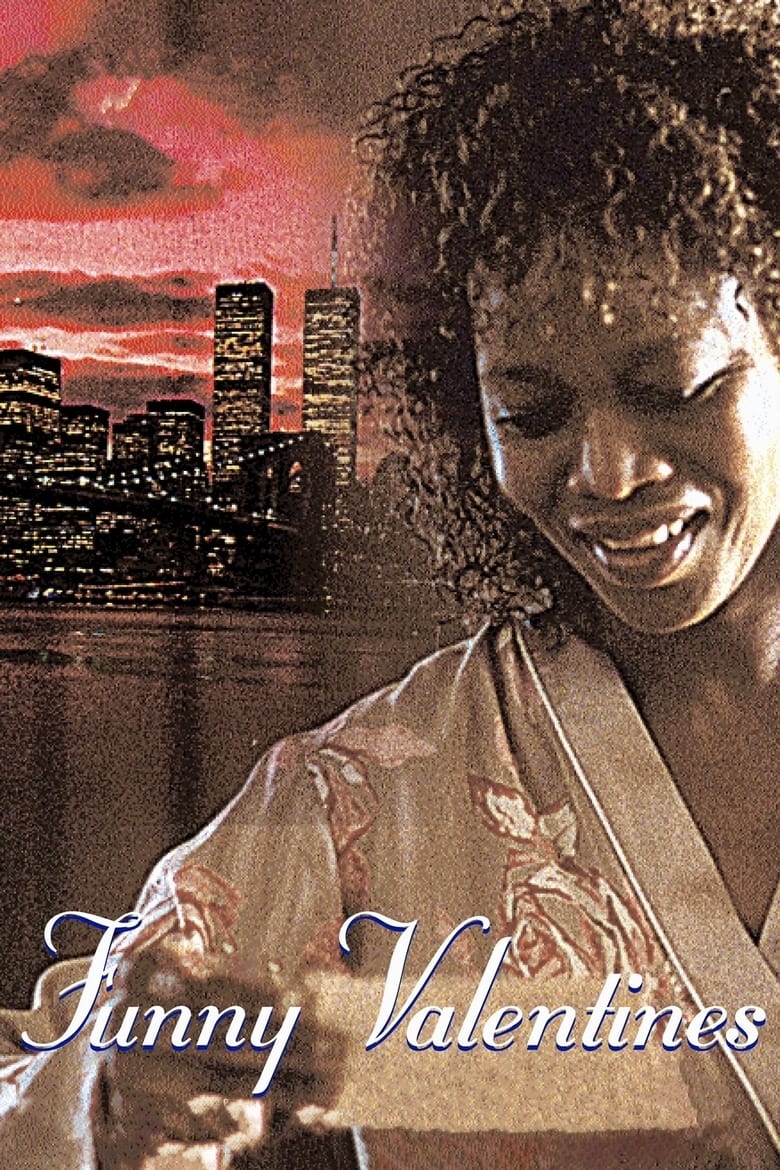
A woman returns to her home town to sort out her troubled marriage and finds new happiness in the rekindling of a broken friendship with her cousin.
Overall Score
Good
Category Breakdown
LGBTQ+ Representation
The film explores female-centric emotional landscapes that may contain queer subtext. However, without explicit on-screen confirmation of non-heteronormative identities, the representation remains speculative.
Gender Representation
The narrative centers female autonomy by prioritizing the protagonist's emotional journey over her marital status. It subverts traditional hierarchies by finding resolution through female solidarity rather than patriarchal structures.
Racial & Ethnic Diversity
Directed by Julie Dash, the film likely centers Black experiences and communal identity. The protagonist's return to her hometown suggests a deep exploration of heritage and roots.
Religious & Cultural Diversity
The story prioritizes emotional authenticity and interpersonal connection over Western domestic ideals. It deconstructs traditional marriage institutions in favor of a more subjective, postmodern approach to morality.
Disability Representation
There is no information available regarding the portrayal of physical or neurodivergent identities in this work.
Strengths
Areas for Improvement
AI Analysis
Funny Valentines is a character-driven drama that emphasizes female agency and the restorative power of kinship. By centering a woman's journey to find happiness through a cousin rather than a husband, the film disrupts conventional domestic tropes. The director's history of elevating Black female subjectivity suggests a narrative deeply rooted in intersectional storytelling. The film moves away from traditional patriarchal resolutions to focus on personal reclamation and communal identity. While the film shows strong progressive intent regarding gender and race, specific details regarding LGBTQ+ identities or disability representation are not present in the narrative overview.
2004
1998

2021

2022
2019

1997
2008
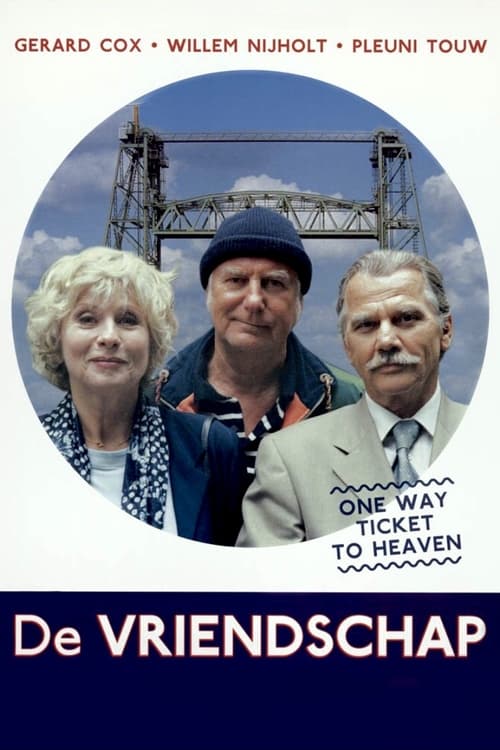
2001
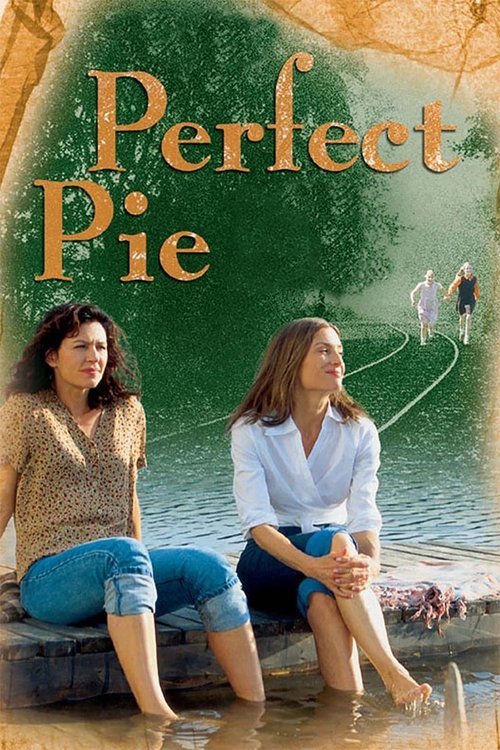
2002

2018
2001
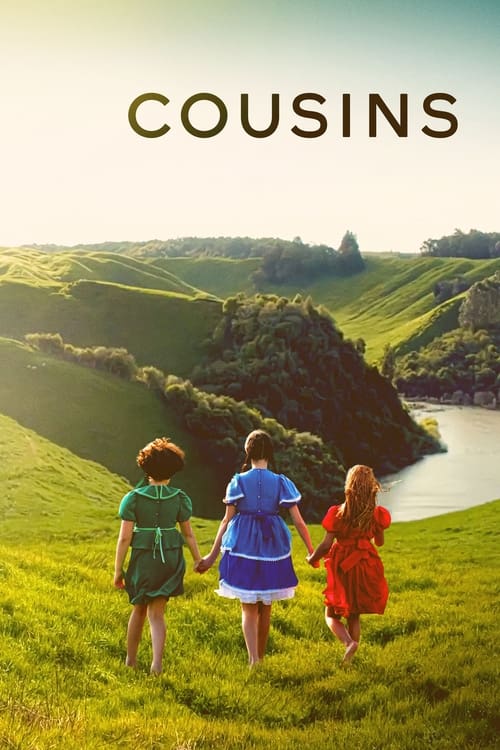
2021
No reviews yet. Be the first to share your thoughts on this movie!
Use the rating form above to leave a star rating and optional review.