
Bastards
2013
No user ratings available yet
Representation score: 5.1 out of 10
Representation Score
Minimal
2010
NRDirector
Richard Berry
Runtime
117 minutes
Average Rating
No ratings yetNew Showbiz Analysis
22 Bullets is a period crime drama that prioritizes historical realism and individual psychological study over diverse representation. The narrative structure reinforces conventional hierarchies of gender and ethnicity consistent with its 1950s European setting. The film functions as a character study of obsession, adhering to the conventions of the crime thriller genre. It focuses on the legal and judicial consequences of the protagonist's actions rather than deconstructing social structures. Ultimately, the film presents a localized, ethnically uniform view of mid-century France, prioritizing the reconstruction of a specific era over the subversion of social hierarchies.
Category Breakdown
The film follows a structure that assumes everyone is straight and cisgender. There are no LGBTQ+ identities or non-binary gender narratives.
Men dominate the narrative, driven by destructive impulses. Women mainly act as catalysts for the protagonist's obsession or as victims in a traditional, toxic patriarchy.
Set in 1952 France, the cast is mostly white and European, reflecting the demographic homogeneity of that time and place.
The story operates within a traditional framework focusing on justice and morality. It emphasizes the judicial response to crime without challenging Western institutions.
There are no significant depictions of visible or invisible disabilities that drive the narrative or provide character's ability to drive the story.
Present on Screen
Limited or Absent
Official Synopsis
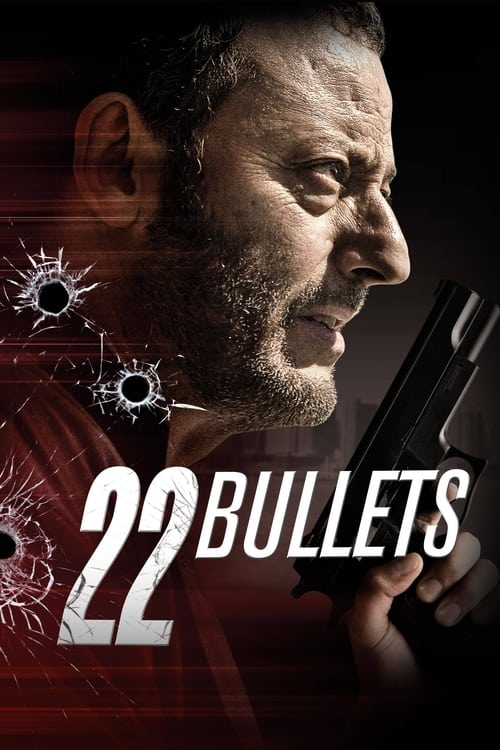
A retired mobster goes on a revenge spree after being left for dead with 22 bullets in his body by his former childhood friend.
2013

2008

2016

2016

2020

2010

2021

2010
No reviews yet. Be the first to share your thoughts on this movie!
Use the rating form above to leave a star rating and optional review.