Rahasya
2015
No user ratings available yet
Representation score: 1.1 out of 10
Representation Score
Fair
2016
PG-13Director
Sujoy Ghosh
Runtime
127 minutes
Average Rating
No ratings yetNew Showbiz Analysis
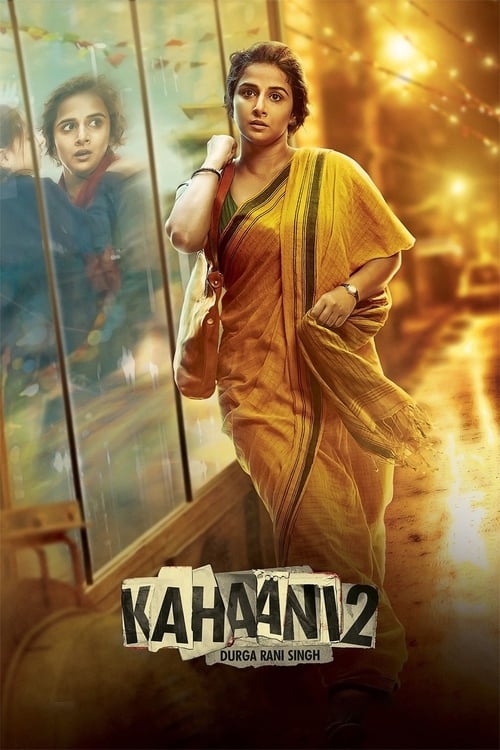
Kahaani 2 is a character-driven thriller that prioritizes women's ability to drive the story and psychological complexity. By subverting the traditional nurturing mother cliché, the film creates a morally relativistic framework that avoids simple binaries. The story succeeds in centering women as the primary drivers of the plot, using intellect and deception to move the narrative forward. However, the film lacks multi-layered breadth. The absence of LGBTQ+ representation and the ambiguity surrounding the use of disability as a narrative tool limit its overall diversity impact.
Category Breakdown
There are no visible LGBTQ+ characters or narratives addressing non-assuming gender matches what was assigned at birth identities in the film. The story focuses solely on maternal and criminal identity dynamics.
The narrative centers on the lead character’s ability to act, positioning her between vulnerability and extreme power. The plot is driven by her intellect rather than male intervention.
Set in Kalimpong, the film moves away from homogeneous urban centers. This regional setting suggests a level of cultural diversity within India.
The film explores subjective morality by framing a potential criminal through the lens of maternal devotion. It challenges singular moral absolutes and systemic certainty.
A paralyzed daughter serves as a central narrative focal point. While the disability is integral to the character arc, its role as a plot device remains unclear.
Present on Screen
Limited or Absent
Official Synopsis
Vidya Sinha has only one obsession in life. She wants to see her teenage daughter Mini, who is paralysed waist-downwards, walk again. But, is this scenario as obvious as it seems? Or is Vidya an impersonator of Durga Rani Singh from Kalimpong, who is wanted for kidnapping and murder?
2015
2019

2012

2017

2020

2019

1999

2019
No reviews yet. Be the first to share your thoughts on this movie!
Use the rating form above to leave a star rating and optional review.