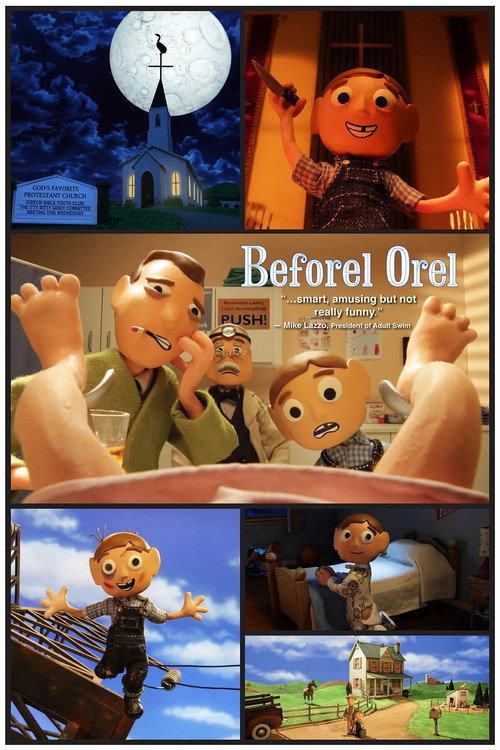
Beforel Orel: Trust
2012
No user ratings available yet
Representation score: 5.5 out of 10
Representation Score
Fair
2008
TV-MAAverage Rating
No ratings yetNew Showbiz Analysis
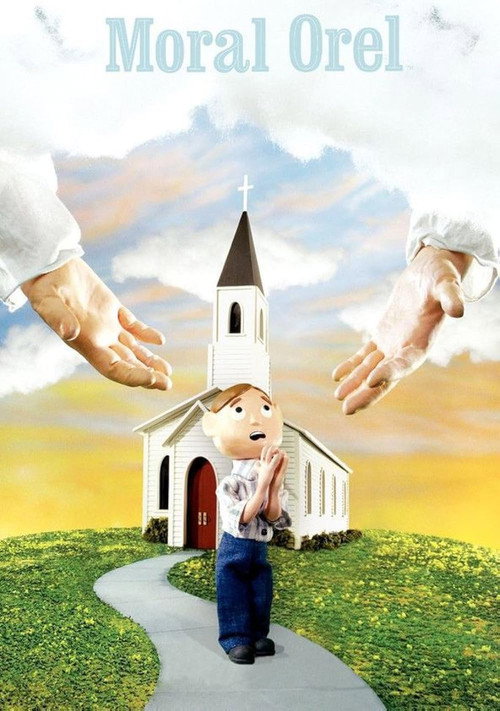
The narrative centers on Orel’s naïve faith clashing with the hypocrisy of his community. Church, family, and gender roles are treated as sources of absurdity and conflict rather than stability. The humor relies on exposing the gap between the town’s stated morals and its actual behavior. While the cast is homogeneous, the story actively deconstructs the social norms of its setting. Men hold power but are shown as incompetent; women are present but rarely drive the action. The town’s moral code acts as the primary antagonist, not a specific person. The stop-motion satire frames traditional Western institutions as oppressive or ridiculous. This focus on institutional critique provides strong cultural representation, even as racial and disability presence remains absent from the screen.
Category Breakdown
Same-sex relationships appear in background gags or as targets of the town’s moral policing. No central romance develops, and queer characters rarely drive the plot.
Women are often sidelined as domestic figures or comic relief, while men hold institutional power. However, male authority is frequently mocked for incompetence or hypocrisy rather than upheld as ideal.
The cast and setting are overwhelmingly white, reflecting the insular, homogeneous town of Moralto. No non-white characters receive depth or narrative agency.
The film relentlessly satirizes Protestantism, patriarchy, and small-town conformity. Traditional institutions are framed as hypocritical, oppressive, or absurd, with the church serving as the primary source of conflict.
No ongoing disabled lives are depicted. Physical ailments or injuries serve only as temporary plot devices or sources of physical comedy.
Present on Screen
Limited or Absent
Official Synopsis
Orel is an 11-year-old boy who loves church. His unbridled enthusiasm for piousness and his misinterpretation of religious morals often lead to disastrous results, including self-mutilation and crack addiction. No matter how much trouble he gets into, his reverence always keeps him cheery.
2012
2005

2017
2014
2008
2009

1999
2002
No reviews yet. Be the first to share your thoughts on this movie!
Use the rating form above to leave a star rating and optional review.