Magnus
2016
No user ratings available yet
Representation score: 3.8 out of 10
Representation Score
Limited
2026
TV-PGDirector
Rory Kennedy
Runtime
93 minutes
Average Rating
No ratings yetNew Showbiz Analysis
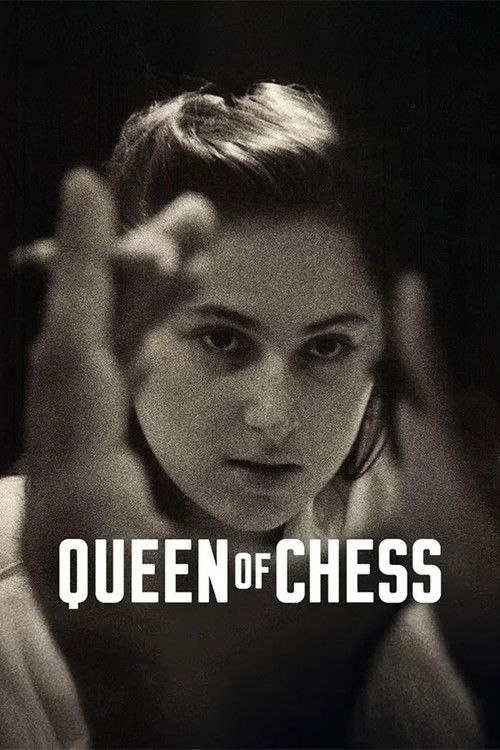
Queen of Chess delivers a powerful, gender-centered portrait of Judit Polgár’s rise against entrenched sexism in professional chess. Her victories over male opponents, including Garry Kasparov, are presented as direct challenges to patriarchal norms. The film’s cultural critique is sharp, exposing how institutional bias shaped her path. Yet its scope is narrow: the cast and subjects are exclusively Hungarian, with no racial or ethnic diversity beyond that. LGBTQ+ and disability representation are entirely absent. While the documentary succeeds in its core mission of highlighting female excellence in a male field, its overall diversity remains limited by this singular focus.
Category Breakdown
No LGBTQ+ characters appear or are identified. The documentary concentrates on Judit Polgár’s chess career and family dynamics, leaving queer identities entirely absent from its frame.
Judit Polgár anchors the narrative as a woman who defeats male opponents in a male-dominated field. The film foregrounds her fight against sexism and her historic success over Garry Kasparov.
The story centers on Hungarian figures Judit Polgár and Garry Kasparov. No other racial or ethnic groups are featured in the synopsis or cast list, limiting broader representation.
The documentary frames the chess world’s patriarchal culture as an obstacle Judit overcomes. It challenges traditional gender expectations within a competitive, Western-dominated institution.
No characters with physical or mental disabilities appear. The focus remains strictly on chess mastery and gender barriers, excluding disability perspectives from the narrative.
Present on Screen
Limited or Absent
Official Synopsis
A Hungarian girl dreams of conquering international men’s chess. After a 15-year battle against world champion Garry Kasparov and her domineering father, Judit Polgár revolutionizes the sport’s patriarchal culture to become one of the greatest chess prodigies in history and the greatest woman chess player of all time.
2016

2016

2013

2018
2026

2011

2024

2005
No reviews yet. Be the first to share your thoughts on this movie!
Use the rating form above to leave a star rating and optional review.