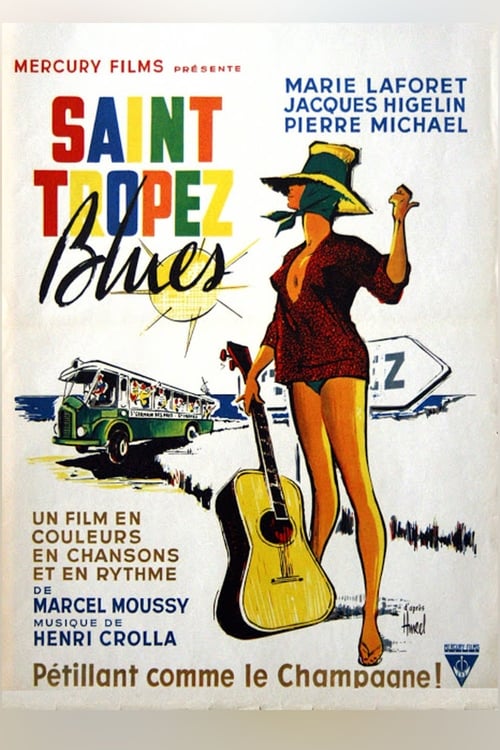
Saint-Tropez Blues
1961
No user ratings available yet
Representation score: 3.4 out of 10
Representation Score
Minimal
1966
Director
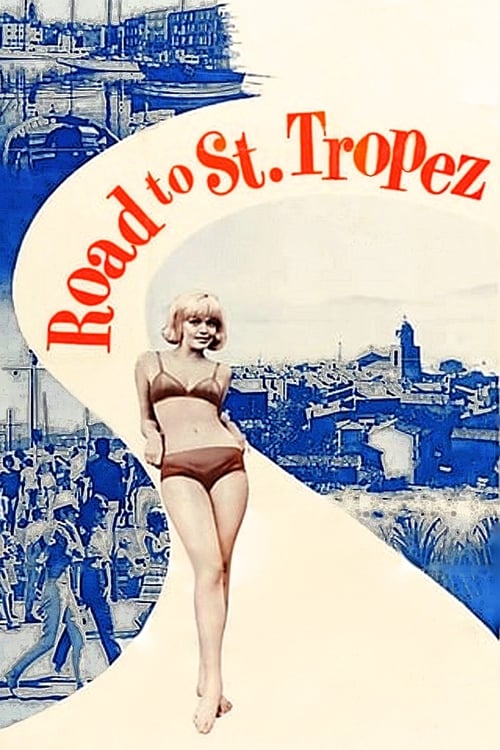
Michael Sarne
Runtime
31 minutes
Average Rating
No ratings yetNew Showbiz Analysis
Road to St. Tropez captures the spirit of the 'Swinging Sixties,' showcasing the era's social liberalization and youthful spontaneity. However, it remains firmly rooted in the conventional social norms of 1966. The film prioritizes established social norms and the escapism of European leisure culture. It does not actively engage with diverse identities or disrupt traditional hierarchies. Ultimately, the work presents a homogeneous social landscape favoring traditional romantic clichés over meaningful representation of diverse lived experiences.
Category Breakdown
The film follows the traditional romantic standards typical of mid-1960s cinema, with no representation of non-traditional gender identities or LGBTQ+ stories.
The story relies on standard romantic comedy clichés where female characters often serve as catalysts for the male lead. It lacks significant challenges to traditional gender roles.
The cast is predominantly white and Anglo-European, reflecting the demographic homogeneity of the era. The setting emphasizes a localized, Eurocentric social environment.
The film celebrates mid-century Western social mobility and Mediterranean tourism. It does not deconstruct Western institutions or traditional family structures.
There is no presence of characters with visible or invisible disabilities within the narrative.
Present on Screen
Limited or Absent
Official Synopsis
A woman has a brief amorous liaison while on a trip along the South of France to Saint Tropez, but returns disillusioned.
1961
1978

1979

1970

1984
1967
1972
1980
No reviews yet. Be the first to share your thoughts on this movie!
Use the rating form above to leave a star rating and optional review.