
Yowis Ben Finale
2021
No user ratings available yet
Representation score: 5.1 out of 10
Representation Score
Good
2019
Director
Raymond Handaya
Runtime
110 minutes
Average Rating
No ratings yetNew Showbiz Analysis
The film succeeds as an ensemble piece that captures a broad social spectrum through its diverse cast and regional setting. By placing the action in the Maluku Sea, it avoids a monolithic protagonist model and embraces ethnic variety. However, the narrative remains tied to traditional social frameworks. Character arcs are driven by conventional values like family duty, and the representation of underrepresented groups like the LGBTQ+ community or people with disabilities is absent or purely functional. While the film disrupts passive female clichés by making women central to the plot's resistance, it lacks depth in subverting established cultural or social institutions.
Category Breakdown
The film focuses on traditional heterosexual relationships, such as the Burhan family and a honeymooning couple. There is no mention of LGBTQ+ identities or relationships that challenge traditional norms.
Women play active roles, with Tiara leading the resistance against the hijackers. However, the film relies on conventional family structures like the traditional family unit.
Setting the story in the Maluku Sea allows for a diverse cast that reflects the multi-ethnic population of Indonesia. Local tourists represent various ethnicities and regions.
Characters are motivated by traditional values like respect for elders and family responsibility. The film adheres to conventional social morality without challenging institutional norms.
A character cares for a sick mother, serving as a plot motivator. There is no evidence of characters with disabilities being given complex representation.
Present on Screen
Limited or Absent
Official Synopsis
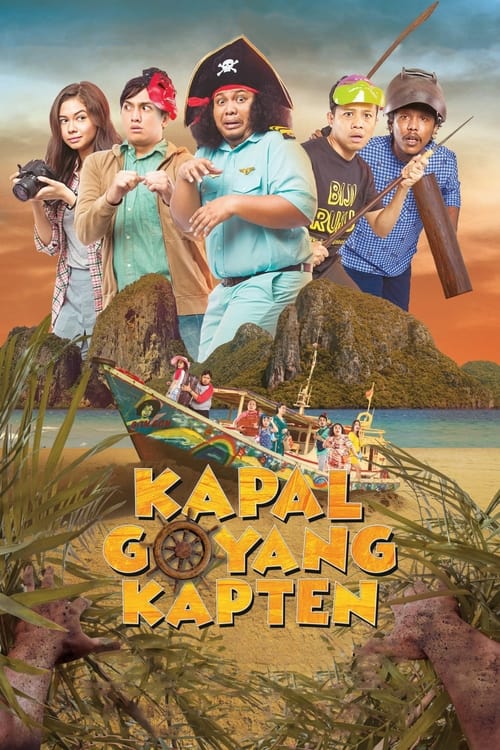
3 amateur hijackers hijacked a tourist ship that is sailing in the Maluku Sea which contains several local tourists and Gomgom, the captain. They are Daniel (Ge Pamungkas) who wants to prove to his parents that even the child of a rich people can work, Cakka (Muhadkly Acho) who needs money for her sick mother, and Bertus (Mamat Alkatiri), unemployed. Because of their stupidity they sink the ship and stranded on an empty island. Resistance from the hostages is driven by Tiara (Yuki Kato) and from other passengers: the Burhan family consisting of Father (Arief Didu), Mother (Asri Welas) and their child (Romaria Simbolon), husband and wife on their honeymoon, Darto (Yusril) and Salma (Naomi Papilaya), as well as three students, Noni (Andi Anissa), Cika (Ryma Shepherd) and Agung (Ananta Rispo).
2021

1974

1980

1998
2019

2006

2024

2020
No reviews yet. Be the first to share your thoughts on this movie!
Use the rating form above to leave a star rating and optional review.