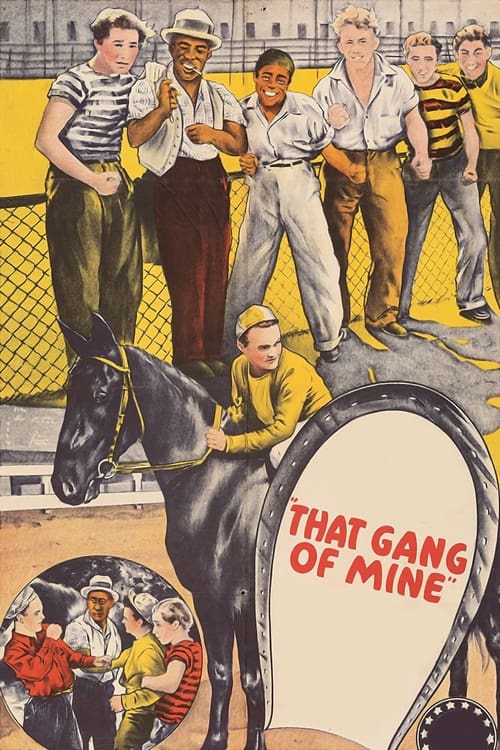
That Gang of Mine
1940
No user ratings available yet
Diversity score: 3.2 out of 10
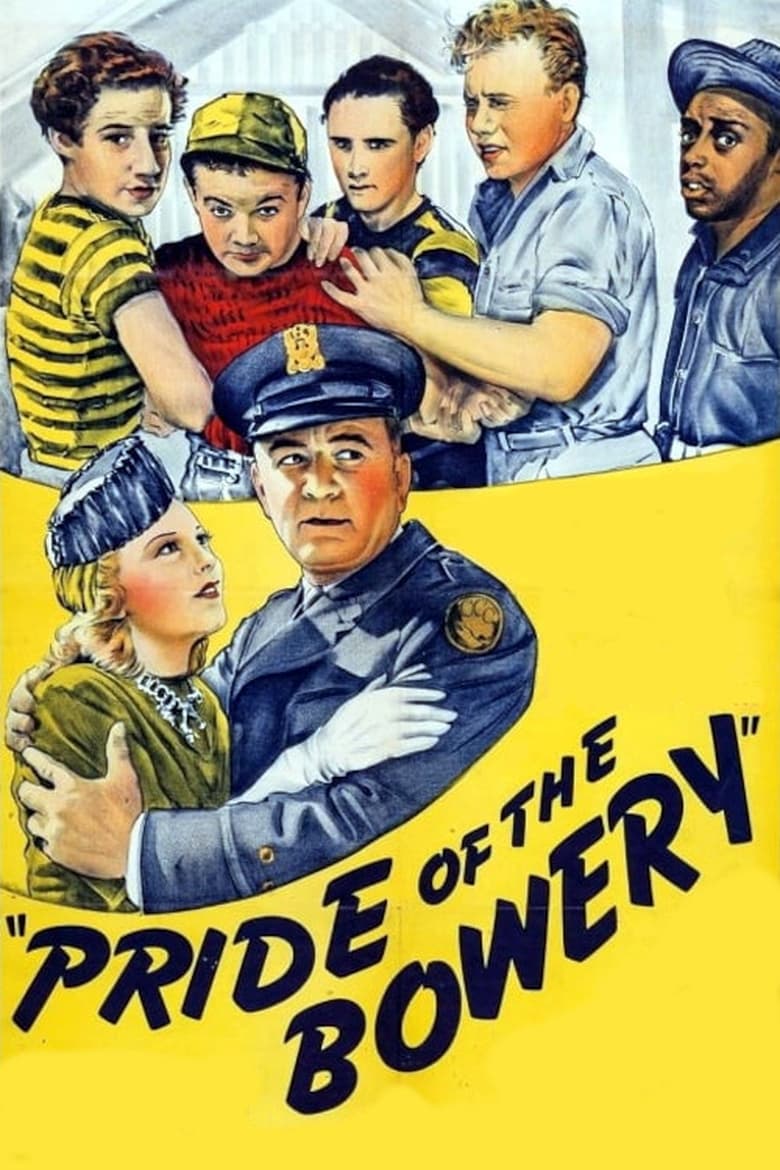
1940
NRDirector
Joseph H. Lewis
Runtime
68 minutes
Average Rating
No ratings yetSynopsis
Muggs is tricked into entering a Civilian Conservation Corps camp by Danny in order to get in shape. Muggs resists and battles with the camp captain and with other campers. He also becomes involved in trying to help one of his friends get out of trouble.
Overall Score
Limited
Category Breakdown
LGBTQ+ Representation
The film lacks any evidence of non-cisnormative identities or same-sex intimacy. The story focuses on masculine camaraderie within a CCC camp, reinforcing heteronormative social structures.
Gender Representation
The narrative centers on a male protagonist navigating a hyper-masculine environment. It emphasizes physical conditioning and male friendship, leaving little room for female agency.
Racial & Ethnic Diversity
The setting likely reflects the demographic homogeneity of 1940. The film appears to follow conventional casting patterns of the era, prioritizing Anglo-Saxon archetypes.
Religious & Cultural Diversity
The plot explores individual struggle against institutional authority. However, it aligns with traditional moral frameworks rather than critiquing Western institutions or promoting alternative ideologies.
Disability Representation
There is no documented inclusion of characters with physical or neurodivergent disabilities. The emphasis on physical prowess suggests a narrative centered on able-bodiedness.
Strengths
Areas for Improvement
AI Analysis
Pride of the Bowery is a product of its time, functioning as a conventional 1940s action-comedy. The narrative architecture is built around hyper-masculine archetypes, focusing on physical struggle and male-dominated social hierarchies. The film lacks intersectional complexity, adhering strictly to the demographic and social norms of the early studio era. It prioritizes traditional themes of discipline and camaraderie over any meaningful representation of diverse identities. Ultimately, the work reinforces the status quo of its period, offering a narrow view of social dynamics centered on able-bodied men.
No reviews yet. Be the first to share your thoughts on this movie!
Use the rating form above to leave a star rating and optional review.