
Bring the Soul: The Movie
2019
No user ratings available yet
Representation score: 5.9 out of 10
Representation Score
Minimal
2022
Director
Doha
Runtime
119 minutes
Average Rating
No ratings yetNew Showbiz Analysis
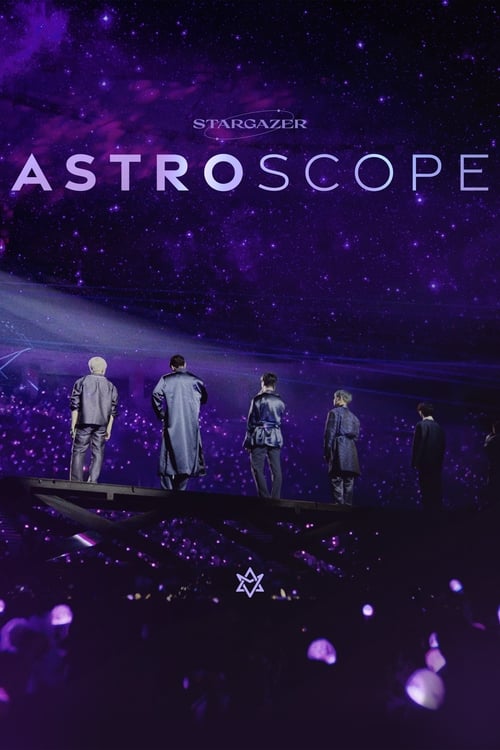
The film opens with the six members of ASTRO in a rehearsal space, their faces lit by the harsh, unforgiving glow of practice room monitors. This is not a story of rebellion or individual artistic struggle; it is a documentary about the machinery of K-pop. The sold meaning is one of disciplined unity: the group’s identity is paramount, and individual needs are subsumed by the collective performance. The camera loves the sweat, the synchronized movement, and the earnest expressions of exhaustion, framing the grueling schedule not as a burden but as a badge of honor. The central tension arises from the absence of MJ due to mandatory military service. The remaining five members must restructure their choreography, a process the film presents as a test of their bond. There is no anger at the system that demands this service; instead, the members express a quiet, dutiful acceptance. The hierarchy is clear: the group’s success and the fans’ experience are the ultimate goods, while the members’ personal time and health are expendable resources. The film’s argument is that excellence is earned through suffering and self-denial, a traditional meritocratic view that treats the industry’s demands as natural and inevitable. The ending settles on the concert performance, where the five members execute their revised routine with flawless precision. The last image is not one of liberation or personal fulfillment, but of professional completion. The members are rewarded with the applause of the audience and the validation of their peers, but the cost—the lost time, the physical strain, the enforced separation—is never questioned. The film’s moral verdict is that the system works because the participants love it, a sentiment that reinforces the traditional hierarchy of the entertainment industry. It is a polished, affectionate portrait of a group that has internalized its own exploitation, selling a vision of harmony that is only possible through the suppression of individual dissent.
Category Breakdown
Six male members share close physical proximity during rehearsals and interviews, engaging in casual affectionate banter. No romantic subtext, same-sex intimacy, or explicit identity markers appear in the footage.
The narrative centers exclusively on the male group’s professional workflow and internal dynamics. Women are absent from the main cast, with no female characters, staff, or audience members featured in the documentary segments.
The cast consists entirely of East Asian men, reflecting the specific cultural context of the K-pop industry. No non-Asian characters, international collaborators, or diverse ethnic representations appear on screen.
The film highlights the rigorous discipline of the K-pop system, including mandatory military service and intense scheduling. Traditional Western individualism is absent; the group’s collective identity and institutional demands are treated as the primary moral framework.
No characters with disabilities are depicted in the documentary or concert footage. Disability is entirely absent from the cast, crew, and narrative focus of the production.
Present on Screen
Limited or Absent
Official Synopsis
The 3rd ASTROAD to Seoul 'STARGAZER' is ASTRO’s first concert in over three years. Each member is filled with excitement and anticipation at the thought of reuniting with AROHA, but preparing for a live concert amidst busy schedules doesn’t prove easy. Like a dark night sky kissed by starlight, will ASTRO chase away the darkness and greet the welcoming wave of AROHA violet? Intimate interviews and an honest look behind-the-scenes are captured alongside ASTRO’S concert performance in
2019

2018

2016

2020

2018

2017

2018

2019
No reviews yet. Be the first to share your thoughts on this movie!
Use the rating form above to leave a star rating and optional review.