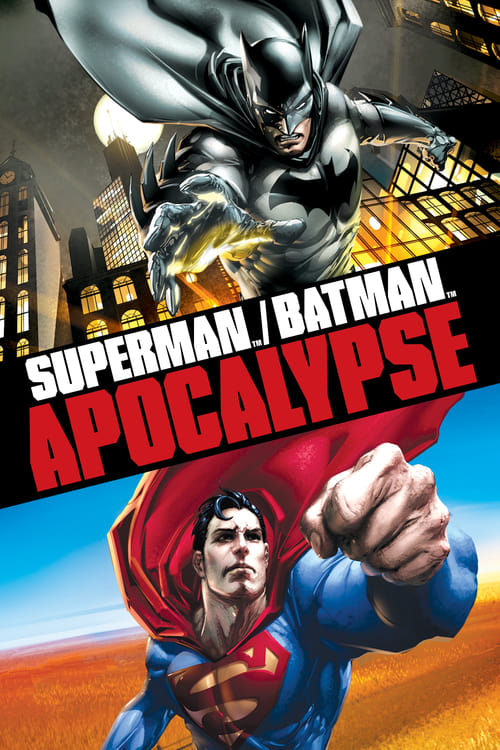
Superman/Batman: Apocalypse
2010
No user ratings available yet
Representation score: 3.0 out of 10

Representation Score
Excellent
2008
PG-13Director
Dave Bullock
Runtime
75 minutes
Average Rating
No ratings yetNew Showbiz Analysis
Justice League: The New Frontier succeeds by using its retro-futuristic 1950s setting to question mid-century idealism and systemic paranoia. It elevates the superhero genre by framing metahumans as catalysts for geopolitical suspicion rather than mere spectacles. The film's strength lies in its structural subversion of gender roles and its critical deconstruction of Cold War-era institutional authority. By portraying the state as a source of oppression, the narrative moves beyond standard action clichés. However, the film remains limited in its depiction of queer identities and specific physical disabilities. While it explores the concept of the 'outsider' through Martian Manhunter, it lacks explicit representation of diverse human identities.
Category Breakdown
The film follows a traditional approach to identity and romance. There are no explicit depictions of same-sex relationships or non-traditional gender identities.
Wonder Woman serves as a powerful challenge to 1950s gender roles. Diana Prince is a strong leader with intellect and combat skills that rival those of her male counterparts.
The inclusion of Martian Manhunter provides a metaphor for the refugee experience. This presence challenges a purely Anglo-centric mythos through themes of xenophobia and the 'othering' of outsiders.
The story offers a sophisticated critique of mid-century American exceptionalism. It portrays the US government and military as sources of systemic suspicion and state-sponsored fear during the McCarthy era.
Metahuman abilities are treated as extensions of character capabilities rather than disabilities. The film lacks a central focus on neurodivergence or physical disability.
Present on Screen
Limited or Absent
Official Synopsis
The human race is threatened by a powerful creature, and only the combined power of Superman, Batman, Wonder Woman, Green Lantern, Martian Manhunter and The Flash can stop it. But can they overcome their differences to thwart this enemy using the combined strength of their newly formed Justice League?
2010

2008
2009
2019
2014
2003
2001
2018
No reviews yet. Be the first to share your thoughts on this movie!
Use the rating form above to leave a star rating and optional review.