
Bad Seeds
2012
No user ratings available yet
Representation score: 4.8 out of 10
Representation Score
Fair
2015
Director
Raphaël Neal
Runtime
80 minutes
Average Rating
No ratings yetNew Showbiz Analysis
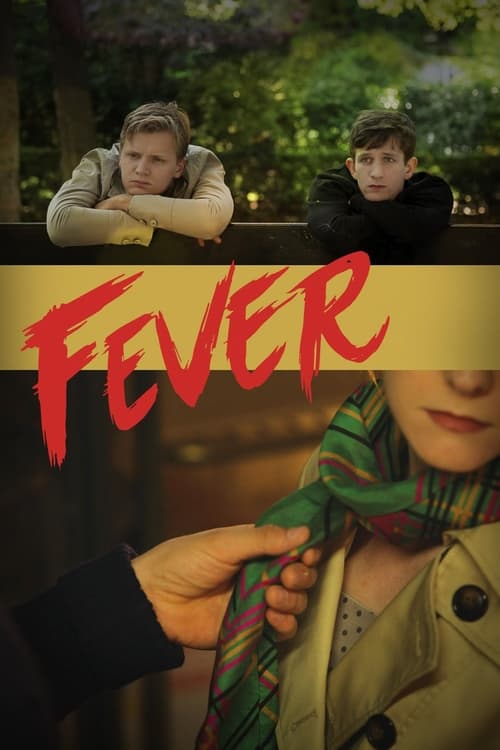
Fever is a gritty social drama that focuses on the study of criminal behavior and impulse rather than diverse representations. The narrative replaces typical social development with violent transgressions. While the film explores the systemic pressures of the Parisian periphery, it does not use these settings to promote a specific progressive message. Instead, it centers on the psychological state of the perpetrators and their disruption of social order. Ultimately, the film adheres to the conventions of the crime genre, emphasizing masculine volatility and nihilism rather than a structured critique of identity-based power dynamics.
Category Breakdown
The film does not include any explicit LGBTQ+ narratives or characters with non-binary gender identities. The story focuses on male characters and traditional masculine aggression, rather than exploring queer experiences.
The narrative emphasizes male characters through criminal actions. A female character appears as a victim, which might reinforce traditional gender roles where women have less control over their lives.
Set in Paris, the film showcases a multicultural urban environment. While specific casting details are unknown, the setting implies the diverse, multi-ethnic youth populations found in French realism.
The story focuses on the characters' nihilistic attitudes rather than critiquing social institutions. It does not explicitly address secular or anti-capitalist themes.
The film does not feature any characters with visible or invisible disabilities. Disability is not a central theme in the film’s storyline.
Present on Screen
Limited or Absent
Official Synopsis
Two Parisian high school students murder a woman they chose as a victim from a chance encounter.
2012
1979

2015

2015
2018
2001

2019
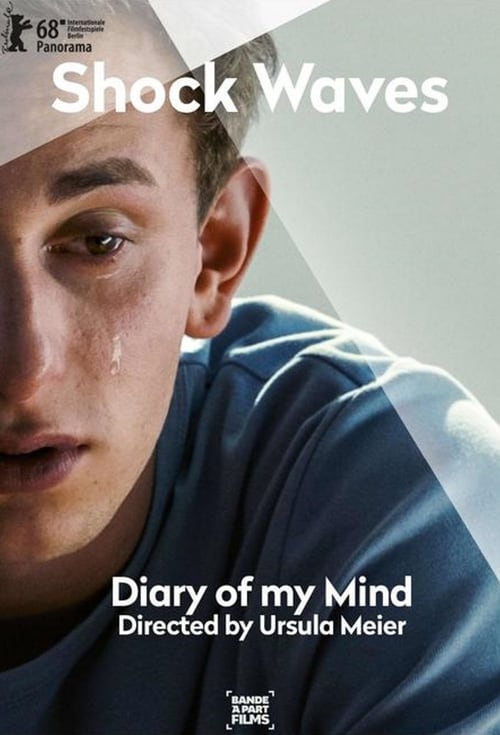
2018
No reviews yet. Be the first to share your thoughts on this movie!
Use the rating form above to leave a star rating and optional review.