The Quick and Dirty
2019
No user ratings available yet
Representation score: 3.1 out of 10
Representation Score
Minimal
2004
RDirector
Douglas Elford-Argent
Runtime
75 minutes
Average Rating
No ratings yetNew Showbiz Analysis
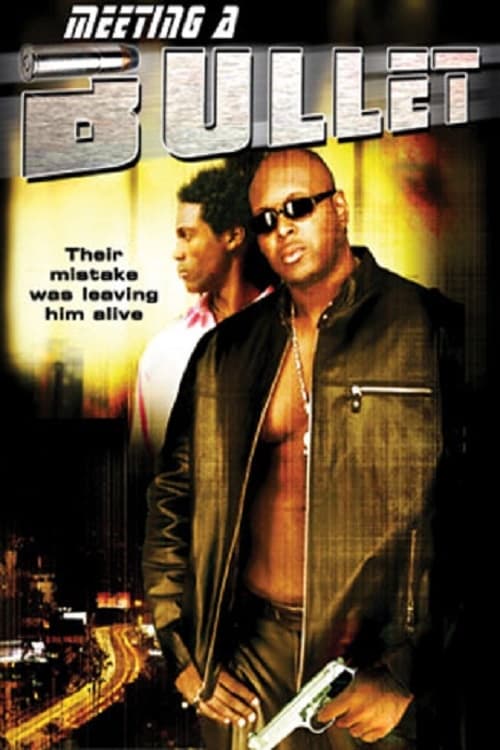
Meeting a Bullet operates as a conventional crime drama that emphasizes traditional crime genre elements such as organized crime and urban survival. The narrative centers on the tension between individual actions and systemic issues. The film lacks nuanced character studies that reflect multiple aspects of identity, presenting instead a traditional, male-centric storyline. Without specific details on the cast, the representation remains typical of crime procedurals. Overall, the film adheres to established crime genre conventions without challenging social hierarchies or offering progressive identity-driven storylines.
Category Breakdown
The film does not include any LGBTQ+ characters or themes related to queer identities.
The story revolves around male characters, with a focus on a corrupt officer and a young man. Female characters play minor roles, and there is no representation of diverse gender identities.
Despite the diverse settings of Miami and Los Angeles, the film does not specify the racial backgrounds of its characters. The representation remains typical of crime dramas.
The film explores themes of institutional corruption and the criminal underworld using traditional noir storytelling methods. It does not delve into cultural or systemic critiques.
The film does not mention any characters with physical, sensory, or neurodivergent disabilities.
Present on Screen
Limited or Absent
Official Synopsis
A dirty cop accuses a young individual of a string of mob related murders from Miami to Los Angeles. Meanwhile, the kid is weaving his way through mob drive-bys, car thefts and petty crimes in L.A.
2019

2021
2005
2003
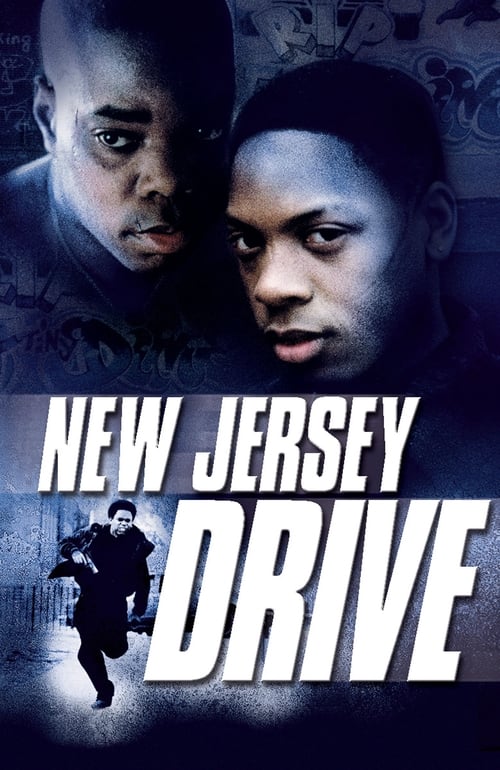
1995
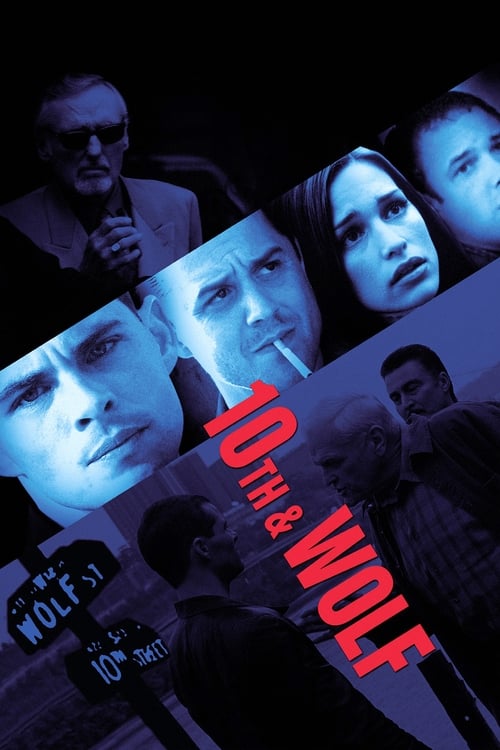
2006
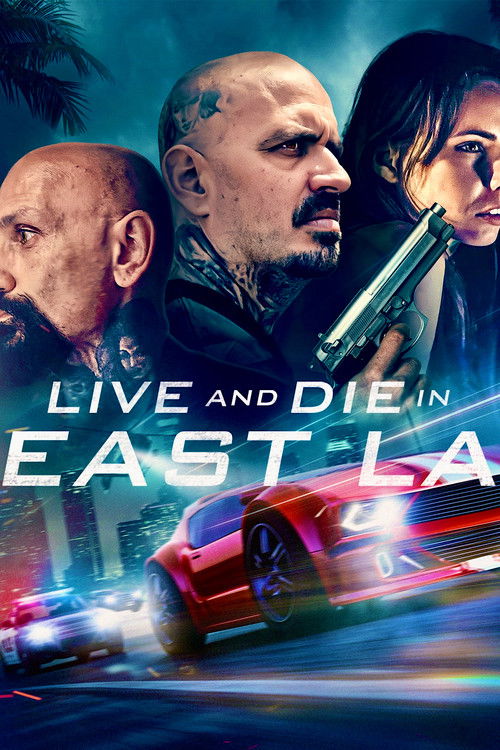
2020
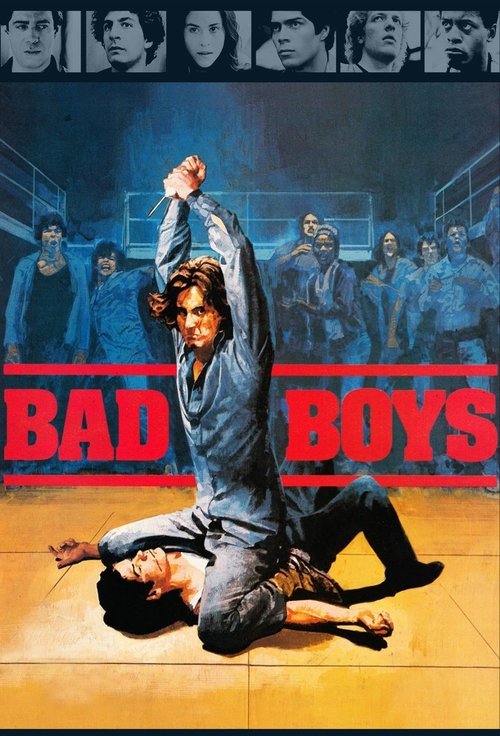
1983
No reviews yet. Be the first to share your thoughts on this movie!
Use the rating form above to leave a star rating and optional review.