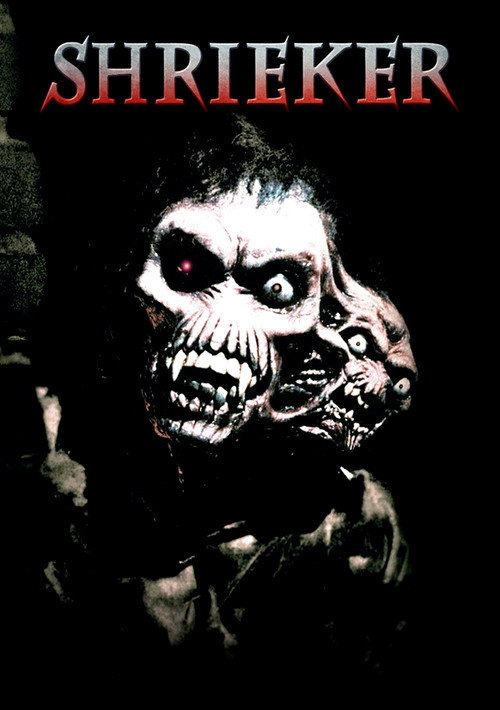
Shrieker
1998
No user ratings available yet
Representation score: 3.4 out of 10
Representation Score
Fair
2003
RDirector
James Cotten
Runtime
84 minutes
Average Rating
No ratings yetNew Showbiz Analysis
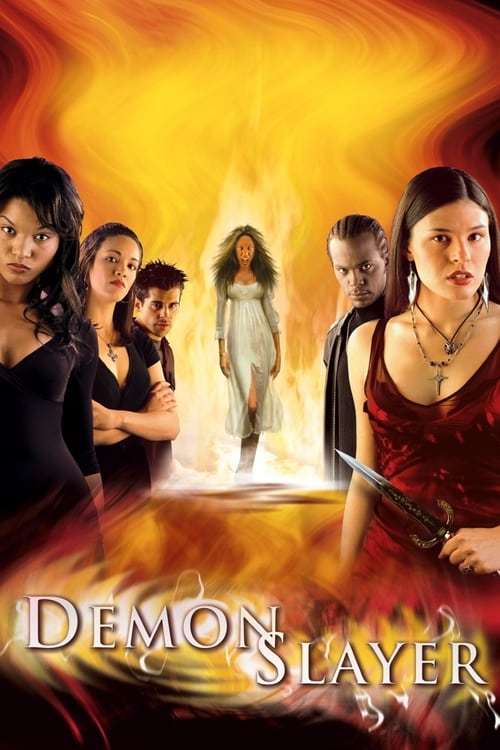
Demon Slayer primarily functions as a horror film focused on supernatural survival. Its diversity stems from its urban setting in South Central Los Angeles, which offers a foundation for ethnic variety. However, the film struggles with meaningful representation. Using a psychiatric hospital as a backdrop risks reducing mental health history to a plot device rather than a nuanced character element. Overall, the narrative lacks clear evidence of intentional subversion regarding gender, sexuality, or disability, relying instead on established horror clichés and institutional decay.
Category Breakdown
The film doesn't explicitly include LGBTQ+ characters or non-cisgender identities. The focus is on survival rather than exploring queer narratives or challenging assumptions about straight relationships.
The group of five teenagers suggests a mix of genders, but it’s unclear how their roles and influence are distributed. There is no indication of women taking on traditionally masculine leadership roles.
Set in South Central Los Angeles, the film provides a diverse urban environment that departs from homogeneous settings, suggesting a predominantly non-Anglo-Saxon cast.
The abandoned mental hospital serves as a critique of institutional decay, but the film focuses more on social conflicts among teenagers than on religious or economic issues.
The mental hospital setting touches on psychiatric history, but there is a risk of using mental health as a mere horror element. There are no characters with disabilities driving the plot.
Present on Screen
Limited or Absent
Official Synopsis
Five delinquent teenagers are assigned the task of converting a long-abandoned mental hospital in South Central Los Angeles into a community center. Little do they know that the hospital is the site of centuries of supernatural mayhem and murder. Plagued by terrors beyond belief, the teenagers must fight to survive a battle where the division between the living and the dead is shattered.
1998

1981
2020

2000
2005
2002

2002
2001
No reviews yet. Be the first to share your thoughts on this movie!
Use the rating form above to leave a star rating and optional review.