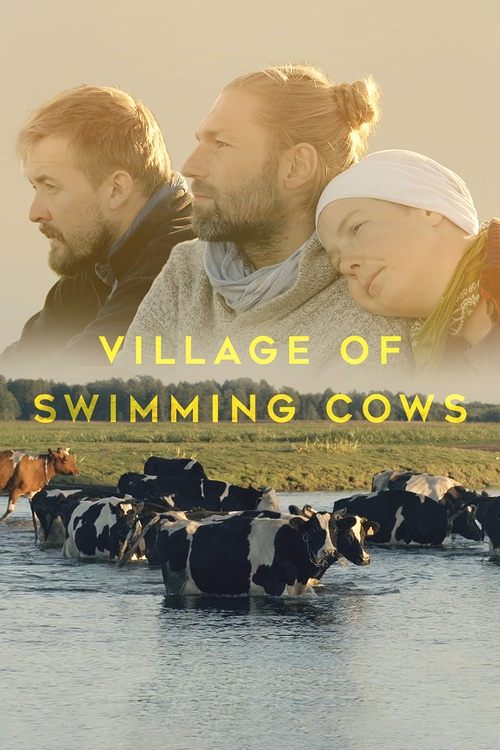
Village of Swimming Cows
2018
No user ratings available yet
Diversity score: 4.8 out of 10

2013
Director
Konstantin Faigle
Runtime
94 minutes
Average Rating
No ratings yetSynopsis
It is a fetish, a mantra, a secret religion to modern man: work. In times of the financial crisis and massive job reductions, this documentary movie questions work as our 'hallow' sense in life in a way that both humors and pains us.
Overall Score
Fair
Category Breakdown
LGBTQ+ Representation
The film lacks explicit evidence of LGBTQ+ characters or narratives. It focuses on macro-societal concepts of labor rather than individual identity politics.
Gender Representation
The documentary explores the 'religion' of work, which may touch on gendered roles. However, it lacks specific character arcs to confirm the subversion of gender hierarchies.
Racial & Ethnic Diversity
There is no evidence of a diverse or non-Anglo-Saxon majority cast. The narrative appears centered on a universalized critique of modern labor and the financial crisis.
Religious & Cultural Diversity
The film excels by framing work as a 'secret religion' and a 'fetish.' This disrupts Western productivity norms and critiques the sanctity of capitalist structures.
Disability Representation
The film provides no information regarding the depiction of physical, neurodivergent, or mental health conditions. No characters with disabilities are identified.
Strengths
Areas for Improvement
AI Analysis
Keep Up the Good Work is a systemic critique of Western economic values rather than a study of identity-based representation. It prioritizes the deconstruction of the psychological grip of modern labor over individualistic tropes. The film's primary strength is its cultural commentary, using humor to challenge the 'hallow' status of work. However, it lacks visible markers for LGBTQ+, racial, or gender diversity. Ultimately, the documentary functions as a sociological inquiry into the financial crisis, focusing on class and vocation rather than specific demographic representation.
2018

2007
2012

1992

2019

2010
No reviews yet. Be the first to share your thoughts on this movie!
Use the rating form above to leave a star rating and optional review.