The Anderson Platoon
1967
No user ratings available yet
Representation score: 2.6 out of 10
Representation Score
Good
2001
Director
Charles Kiselyak
Runtime
53 minutes
Average Rating
No ratings yetNew Showbiz Analysis
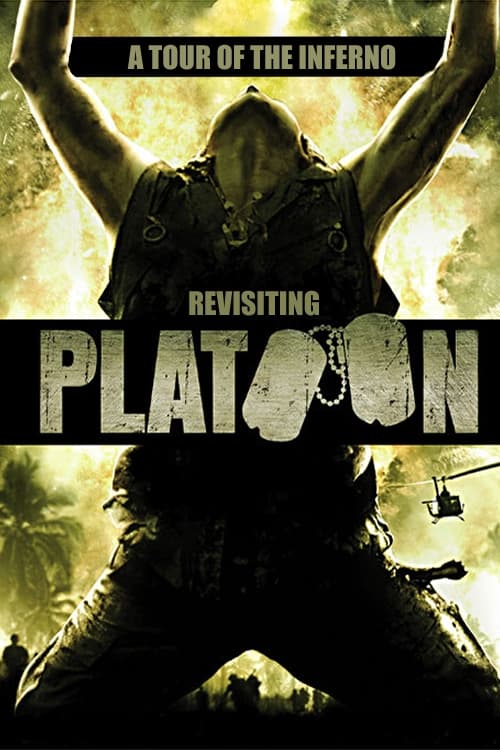
This documentary serves as a meta-commentary on the production of Oliver Stone's *Platoon*. Its diversity is influenced by the themes and casting of the original 1986 film. The work effectively dismantles traditional military heroism and the narrow portrayal of white heroes. It also highlights the impact of systemic friction and diverse racial identities on the narrative of the Vietnam War. However, the film remains limited by its focus on the original material. It lacks explicit LGBTQ+ representation and centers male-centric military hierarchies, which affects its overall diversity score.
Category Breakdown
The documentary focuses on the technical and thematic aspects of a 1986 war film. There is no indication of explicit LGBTQ+ character arcs or narratives coded as queer.
The film critiques traditional masculine roles and the rigid structure of military leadership. It highlights the destructive impact of these roles within the context of warfare.
The documentary examines racial tensions and systemic issues within a US platoon during the Vietnam War. It emphasizes the significance of representing diverse racial identities and conflicts of the era.
The work explores themes of moral relativism and critiques of Western institutions' effectiveness. It prioritizes a nuanced, situational ethical approach over a singular, patriotic viewpoint.
The film addresses both physical and psychological trauma from combat. It focuses on the hidden psychological disabilities faced by veterans rather than just visible injuries.
Present on Screen
Limited or Absent
Official Synopsis
A documentary about the making of Oliver Stone's Vietnam War film, Platoon (1986).
1967

2012

1966

2008
2014
1972
2018
2007
No reviews yet. Be the first to share your thoughts on this movie!
Use the rating form above to leave a star rating and optional review.