
Horsehead
2014
No user ratings available yet
Representation score: 4.2 out of 10
Representation Score
Limited
1989
Director
Paul Howard, Michael Weaver
Runtime
91 minutes
Average Rating
No ratings yetNew Showbiz Analysis
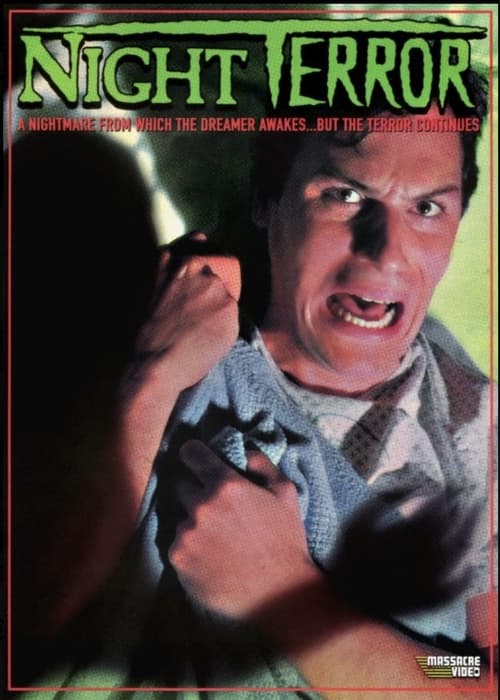
Night Terror is a product of the late-80s British exploitation era, prioritizing genre clichés and visceral thrills over social commentary. The film follows a traditional narrative structure that focuses on individualistic struggle rather than diverse representation. The production leans heavily on established genre formulas, resulting in a lack of diverse casting and character's ability to drive the story. It functions as a standard psychological horror piece without attempting to challenge systemic hierarchies. Ultimately, the film's focus remains on the mechanics of fear and the protagonist's personal nightmare, leaving little room for meaningful representation of underrepresented identities.
Category Breakdown
The film does not include LGBTQ+ characters or narratives that challenge the assumption that everyone is straight or cisgender. It follows the conventional structures typical of late-80s British exploitation horror.
The story centers on a male protagonist's experience and his ability to drive the story. Female characters tend to play supporting roles, often defined by their relationships to the male lead.
Casting likely reflects the predominantly white demographic norms of 1989 British genre cinema. There is no evidence of characters of color who play a significant role in driving the story.
The narrative focuses on individual psychological distress rather than critiquing systemic institutions. It lacks an agenda that questions traditional Western morality or religious structures.
Psychological distress is used primarily as a plot device to create horror tension. The protagonist's nightmares serve narrative tension rather than providing a nuanced exploration of neurodivergence.
Present on Screen
Limited or Absent
Official Synopsis
A man is plagued by recurring nightmares, and when he wakes up he finds that the nightmares he just dreamed of keep coming true.
2014
1973
1984

2015
1989
2016
2017
1998
No reviews yet. Be the first to share your thoughts on this movie!
Use the rating form above to leave a star rating and optional review.