The Machine
2013
No user ratings available yet
Representation score: 2.5 out of 10
No Poster Available
Representation Score
Good
Average Rating
No ratings yetNew Showbiz Analysis
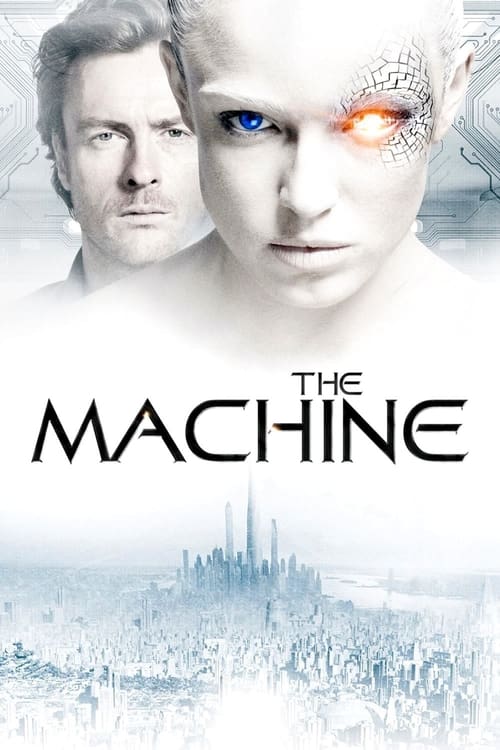
The Machine is a philosophical science fiction film that focuses on existential questions rather than sociopolitical themes. It excels in challenging traditional gender roles by centering a female-coded android fighting a patriarchal state. However, the film remains constrained by a predominantly white cast and a lack of explicit LGBTQ+ representation. While it narrows its scope to the biological versus synthetic divide, it still provides a sophisticated critique of centralized authority and uses synthetic consciousness as a metaphor for neurodivergence.
Category Breakdown
The film touches on non-traditional relationships through synthetic consciousness but doesn't explicitly represent LGBTQ+ identities. It sticks to typical sci-fi companionship clichés without directly challenging the idea that everyone is straight or cisgender.
Tuppence, a female-coded android, challenges traditional gender roles through her complexity and struggle for autonomy. Her fight against a patriarchal state highlights the nuances of female empowerment.
The cast is mainly white, focusing on a narrow demographic. The story emphasizes the contrast between biological humans and synthetic beings rather than exploring the intersection of race and ethnicity.
The story sharply critiques Western institutions, targeting state control and surveillance. It dismantles capitalist and societal structures within a post-apocalyptic setting.
The android serves as a metaphor for neurodivergence and the 'othered' experience. Although not a direct representation, her struggles mirror the experiences of those with invisible disabilities.
Present on Screen
Limited or Absent
2013
1991
2017

2021
2000
1999

2020

2016
No reviews yet. Be the first to share your thoughts on this movie!
Use the rating form above to leave a star rating and optional review.