
Murder in Aigues-Mortes
2015
No user ratings available yet
Representation score: 1.7 out of 10
Representation Score
Limited
1992
PG-13Director
Michel Andrieu
Runtime
91 minutes
Average Rating
No ratings yetNew Showbiz Analysis
This mystery-drama follows a traditional narrative structure centered around a domestic crime. The plot revolves around the death of an actress and the investigation of her husband, prioritizing suspense over social commentary. The film adheres to the genre conventions of its time, focusing on individual responsibility within a conventional social framework. It does not seek to deconstruct systemic hierarchies or provide nuanced character studies. Ultimately, the work functions as a character-driven crime drama that upholds traditional demographic and relationship structures.
Category Breakdown
The film does not include any representation of non-binary or LGBTQ+ identities. It focuses on a heterosexual couple within a traditional domestic setting, following relationship norms typical of the 1990s.
The story centers around a female protagonist, but her role is primarily defined by her victimization and death, serving as a plot catalyst rather than showcasing her ability to act or empowerment.
The film follows typical 1990s casting practices for American mystery adaptations. There is no indication of a racially diverse cast or non-Anglo-Saxon majority.
The narrative follows standard 'whodunit' conventions, emphasizing individual morality and legal processes. It does not challenge institutional norms or incorporate complex cultural dynamics.
There is no mention of characters dealing with physical disabilities, neurodivergent conditions, or mental health issues in the synopsis.
Present on Screen
Limited or Absent
Official Synopsis
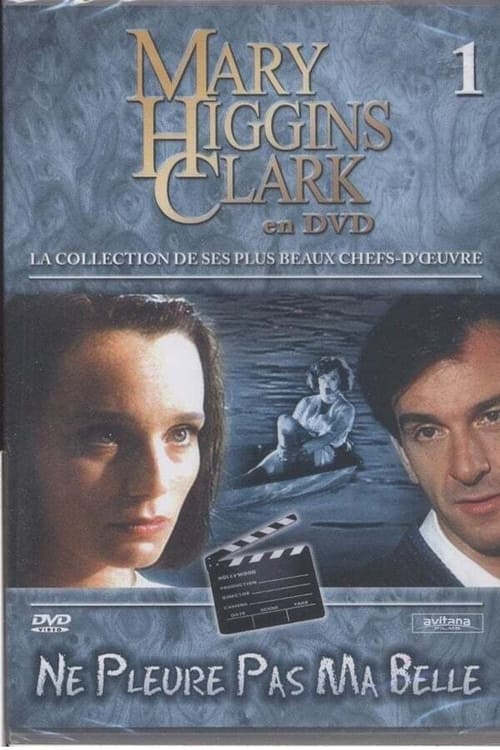
When demanding actress Leila is found drowned there are numerous suspects but the main suspect is her husband Ted. Adapted from the novel by Mary Higgins Clark.
2015
1987
2015

2022

2023
1993

2005

1971
No reviews yet. Be the first to share your thoughts on this movie!
Use the rating form above to leave a star rating and optional review.