
Hold Up Down
2005
No user ratings available yet
Representation score: 5.3 out of 10
Representation Score
Fair
1982
Director
Mohamed Abdelaziz
Runtime
110 minutes
Average Rating
No ratings yetNew Showbiz Analysis
The film serves as a social critique of economic pressures, focusing on the struggles of the working and middle classes. It challenges capitalist structures by framing criminal activity as a response to corporate exploitation and intellectual property theft. While the film adheres to traditional social structures regarding gender and orientation, it finds strength in its skepticism of established institutions. The protagonists' actions are driven by their rebellion against a system that fails to protect their interests. Ultimately, the work prioritizes individual survival over the preservation of social norms, using a comedic lens to explore the realities of systemic inequity.
Category Breakdown
The film does not include any explicit LGBTQ+ characters or non-straight relationships. It focuses on a traditional marriage, reflecting the typical portrayals found in 1980s Egyptian cinema.
Tutu and Hamada work together as equal partners rather than following a traditional hierarchical structure. Tutu actively participates in their criminal activities, challenging passive feminine roles through shared responsibility.
The cast is culturally uniform within the Egyptian context. However, the film offers a unique non-Western viewpoint that diverges from the Western-centric themes commonly seen in global media.
The story criticizes institutional integrity by depicting corporate authority as predatory. It portrays petty crime as a means of survival, suggesting a moral relativism driven by systemic economic failure.
There is no documented evidence of the portrayal of physical or neurodivergent disabilities within the film's narrative.
Present on Screen
Limited or Absent
Official Synopsis
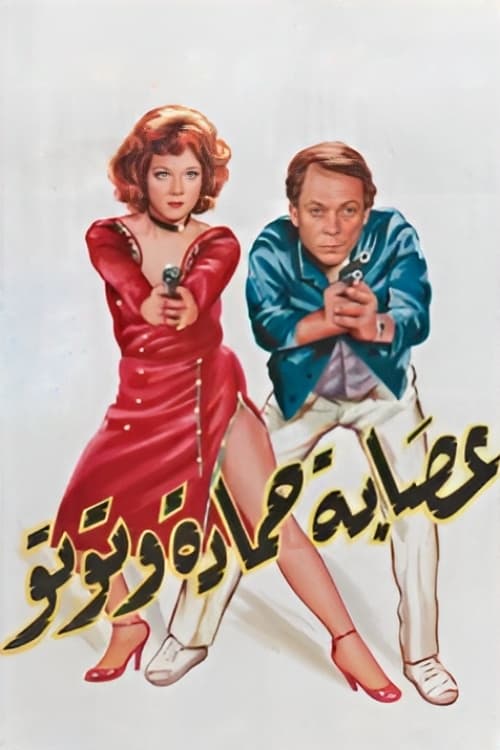
The boss at a large travel company fires Hamada, who worked there as a manager, after stealing all of his innovative ideas. Deprived of their usual income, Hamada and his wife Tutu decide to fix their financial problems in an unusual way, namely by robbing small banks, small shops and even pharmacies.
2005

1964

1997

1977

2019

1993

2017

2004
No reviews yet. Be the first to share your thoughts on this movie!
Use the rating form above to leave a star rating and optional review.