
The Woman in Black
1989
No user ratings available yet
Representation score: 1.7 out of 10
Representation Score
Limited
1965
Director
Robert Enrico
Runtime
90 minutes
Average Rating
No ratings yetNew Showbiz Analysis
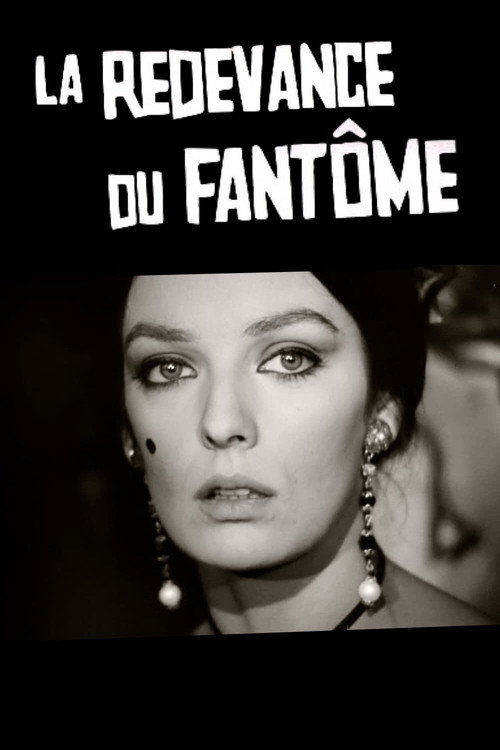
The Ghostly Rental operates within the conventional social and demographic parameters of its era. The narrative focuses on individual psychological discovery and male-centric intellectual development within a traditional historical setting. Since the film adheres to mid-century European cinematic clichés, it lacks the complexity of characters who reflect more than one aspect of diversity or systemic critique found in more diverse works. The focus remains on established religious and academic frameworks. Ultimately, the film presents a narrow demographic scope, prioritizing a homogeneous European perspective over a multi-ethnic or gender-diverse cast.
Category Breakdown
The film does not explicitly depict non-binary genders or same-sex relationships. While themes of isolation hint at unconventional companionship, there is no overt queer representation.
The story centers around a male protagonist and an elderly male mentor. It follows a traditional patriarchal structure focused on male mentorship, with no evidence of strong female roles.
Set in late 19th-century Cambridge, the film appears to feature a historically homogeneous European cast. There is no indication of a multi-ethnic ensemble.
The narrative is rooted in Western intellectualism and theology, engaging with established European cultural clichés without challenging Western institutional frameworks.
The available information does not mention characters with visible or invisible disabilities. Therefore, there is no evidence to evaluate disability representation.
Present on Screen
Limited or Absent
Official Synopsis
At the end of the 19th Century, young Fanning finishes his studies in theology at the University of Cambridge. During a walk through the countryside, the boy, inspired by the lecture of romantic novels, discovers an abandonned house, from which an old man is coming out. He returns to the house regularly without ever seeing its mysterious inhabitant. Fanning finally surprises the old man while he is sitting on a bench at the cemetery and manages to gain his confidence...
1989
1944
1947
1960
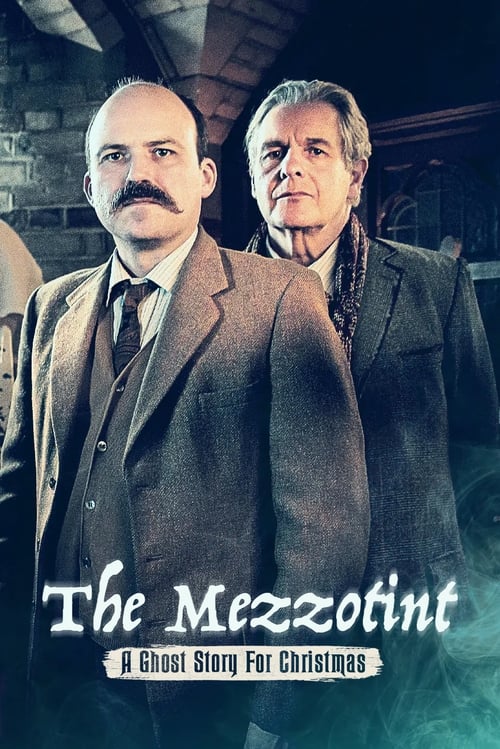
2021
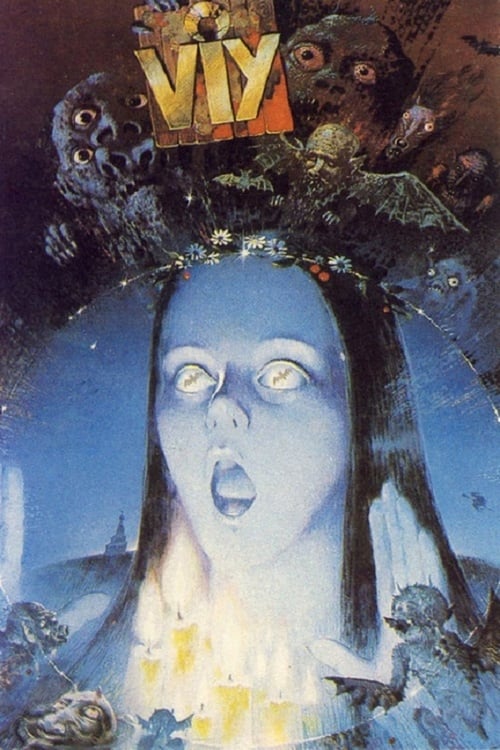
1967
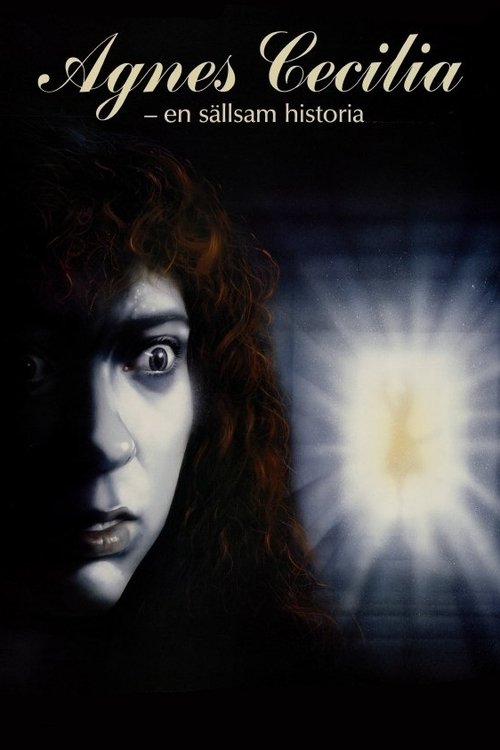
1991
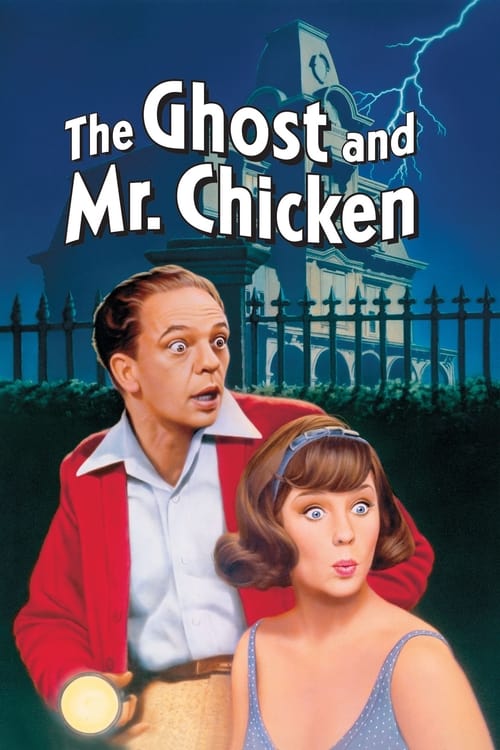
1966
No reviews yet. Be the first to share your thoughts on this movie!
Use the rating form above to leave a star rating and optional review.