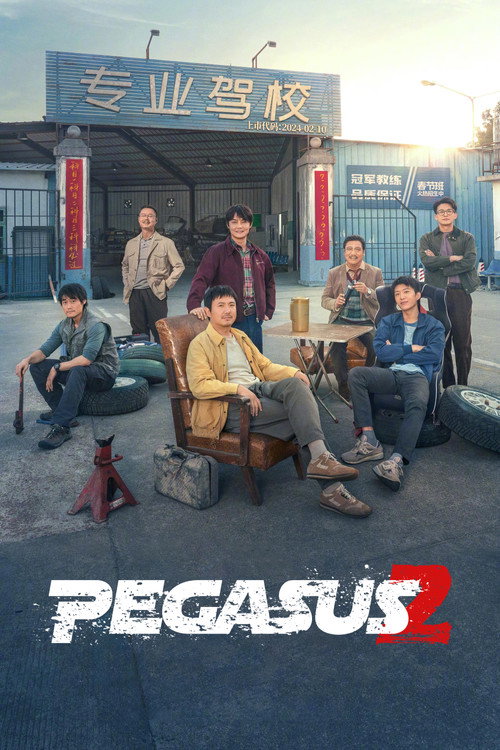
Pegasus 2
2024
No user ratings available yet
Representation score: 5.0 out of 10

Representation Score
Good
2021
Director
Wei Shujun
Runtime
134 minutes
Average Rating
No ratings yetNew Showbiz Analysis
Wei Shujun’s film is a study in cultural specificity, focusing on the authentic portrayal of rural Chinese life. By highlighting the socioeconomic realities of the working class, the film avoids the homogeneity of urban-centric media and offers a meaningful critique of modern capitalist pressures on traditional communities. However, the film remains socially conservative in its character dynamics. It lacks representation for LGBTQ+ identities and does not engage with disability or challenge traditional gender roles, adhering to established social structures typical of rural realist dramas.
Category Breakdown
The film follows a traditional framework that assumes everyone is straight or cisgender. There is no evidence of non-binary or LGBTQ+ identities or same-sex relationships among the main characters.
Gender roles are portrayed through the lens of traditional agrarian society. Characters adhere to established social structures rather than challenging them.
The film excels in showcasing authentic ethnic representation with a predominantly Chinese cast. It highlights the ability to act of working-class characters within their specific geographic context.
The narrative subtly critiques the impact of rapid urbanization and capitalist expansion on traditional lifestyles. It emphasizes the socioeconomic displacement experienced by rural communities.
There are no prominent depictions of physical or neurodivergent disabilities. The story centers on the protagonist's mobility without making disability a central theme.
Present on Screen
Limited or Absent
Official Synopsis
An aimless film school student goes on an ambling road trip across China in a rickety old Jeep in this charming, deeply personal road movie.
2024

2010

2001

2000

2019

2010

2017

2014
No reviews yet. Be the first to share your thoughts on this movie!
Use the rating form above to leave a star rating and optional review.