
Outsourced
2007
No user ratings available yet
Representation score: 7.3 out of 10
Representation Score
Fair
2007
PG-13Director
James Dodson
Runtime
106 minutes
Average Rating
No ratings yetNew Showbiz Analysis
The film stands out for its focus on cross-cultural connectivity, using a non-Western protagonist to bridge the gap between Eastern and Western social spheres. It moves away from standard Western-centric storytelling by centering an Indian woman's perspective in a globalized context. However, the film remains tethered to conventional romantic comedy structures. While it explores international ability to act, it lacks representation for LGBTQ+ identities and does not feature characters with disabilities. Ultimately, the film succeeds in presenting a more diverse romantic arc than many of its contemporaries, even if it stays within traditional straight-centered bounds.
Category Breakdown
The story focuses on a heterosexual romance between an Indian call-center worker and a man in San Francisco. There are no queer narratives or non-straight identities present in the plot.
The film features a female protagonist who drives the plot through her own romantic journey. Her transformation from a service role to an international traveler disrupts typical clichés of female passivity.
The narrative centers on the intersection of Indian and Western identities. By placing an Indian woman in the lead role, the film challenges the Anglo-centric norms of the romantic comedy genre.
The film explores the friction between Indian professional life and American urbanity. It uses a cosmopolitan lens to examine how technology breaks down traditional cultural and geographic barriers.
There are no discernible depictions of physical or neurodivergent disabilities within the narrative.
Present on Screen
Limited or Absent
Official Synopsis
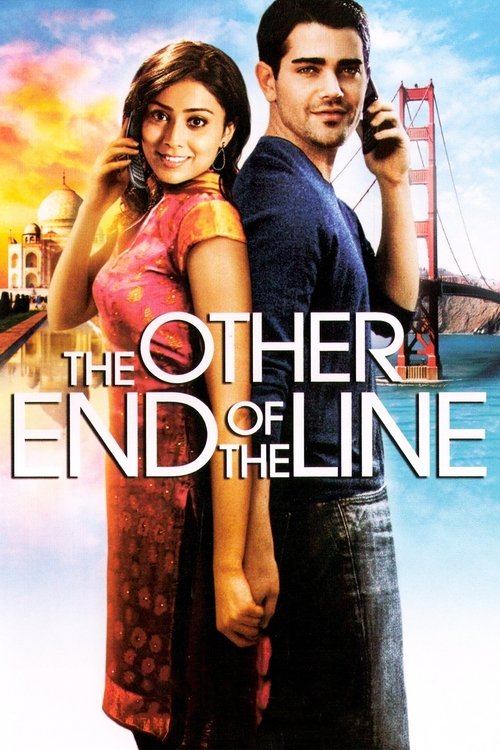
An employee at an Indian call-center travels to San Francisco to be with a guy she falls for over the phone.
2007

2007

2006

2011

2008
2006

2001

2007
No reviews yet. Be the first to share your thoughts on this movie!
Use the rating form above to leave a star rating and optional review.