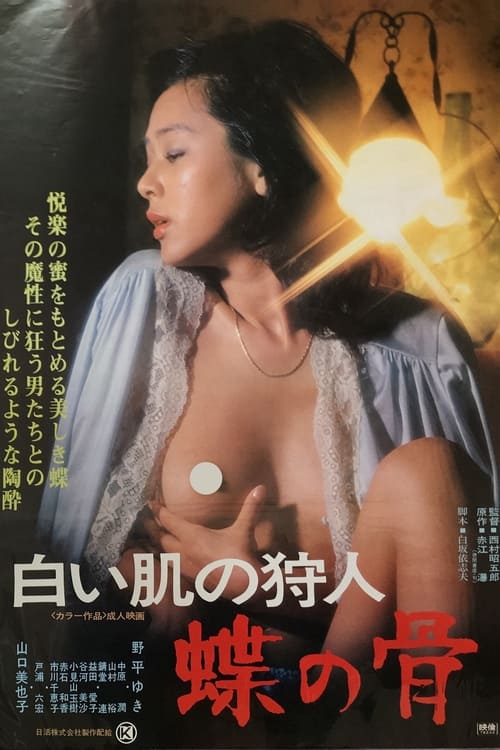
Butterfly Web
1978
No user ratings available yet
Representation score: 2.9 out of 10
Representation Score
Limited
1985
Director
Shōgorō Nishimura
Runtime
62 minutes
Average Rating
No ratings yetNew Showbiz Analysis
As part of the 1980s pink film genre, this work emphasizes eroticism and genre-specific clichés over complex social commentary. Its narrative follows well-established conventions focused on exploitation rather than challenging traditional hierarchies. The film centers on a homogeneous demographic, reflecting the specific market and era in which it was made. This focus on a narrow demographic is typical of the time. Overall, the film operates within traditional frameworks that prioritize genre standards over promoting diverse identities or disrupting social norms.
Category Breakdown
The film does not include characters with non-straight identities or narratives that question the assumption that everyone is straight. It focuses on typical romantic storylines common to its genre.
Women play key roles but often follow traditional stereotypes. They frequently serve as objects of desire rather than showing strong ability to act or intelligence.
The film features a predominantly Japanese cast. It reflects the social norms and local market conditions of 1980s Japanese cinema.
The film adheres to conventional storytelling methods. There are no narratives that challenge established social, religious, or secular institutions.
There is no mention of characters with physical or neurodivergent disabilities.
Present on Screen
Limited or Absent
Official Synopsis
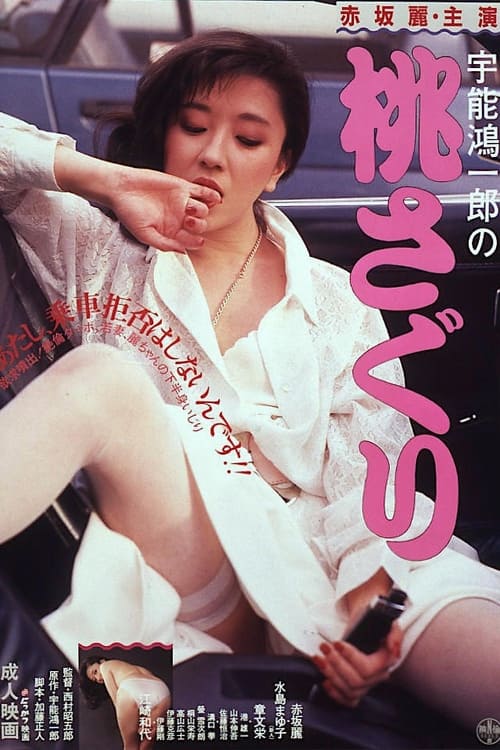
Michiko Matsuzaki, a newlywed in her first year of marriage, starts working to support her husband, whose career and sex life have both declined. At the used car center where she works, she's constantly asked to provide sexual favors even during the entrance exam. Her heart flutters when she meets Okamoto, an employee who looks exactly like her first love, and she tries her best to persevere...
1978

1998
1984
1978

1985
1982
1951

1985
No reviews yet. Be the first to share your thoughts on this movie!
Use the rating form above to leave a star rating and optional review.