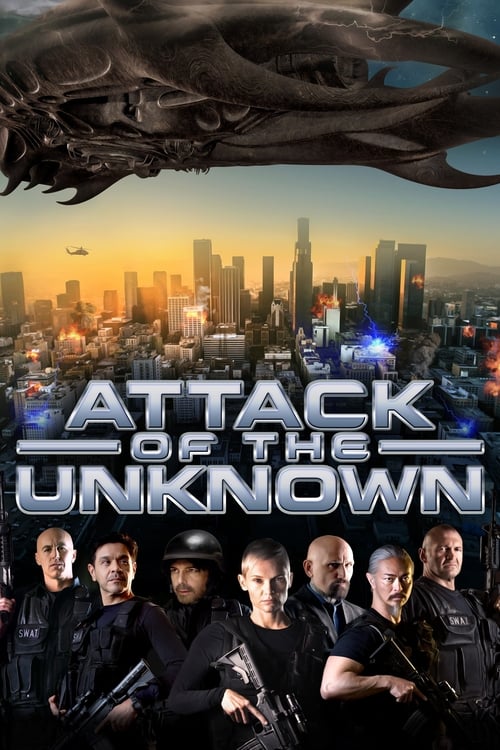
Attack of the Unknown
2020
No user ratings available yet
Representation score: 1.3 out of 10
Representation Score
Limited
2010
TV-PGDirector
Darrin Dickerson
Runtime
98 minutes
Average Rating
No ratings yetNew Showbiz Analysis
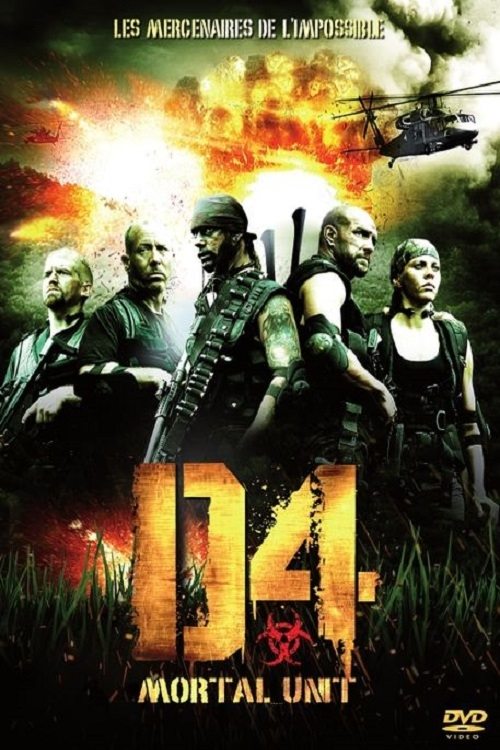
D4 operates as a conventional action-thriller that relies heavily on established genre clichés. The narrative structure adheres to traditional storytelling frameworks, reinforcing existing social norms rather than disrupting them. The film's focus on a mercenary unit highlights the use of masculine archetypes and standard genre conventions. This approach tends to reinforce traditional gender roles rather than offering progressive narrative disruption. Overall, the work lacks specific examples of diverse representation across LGBTQ+, gender, and racial categories, resulting in a score that reflects its adherence to traditional cinematic structures.
Category Breakdown
The film does not include characters with non-traditional gender identities. It follows a typical mercenary storyline that emphasizes traditional gender roles.
The story focuses on a special operations team, a role traditionally filled by masculine characters. There is no indication of women challenging male-dominated leadership.
The setting includes a government facility and a mercenary unit. There is no indication of a predominantly non-white cast or efforts to disrupt traditional demographics.
The plot revolves around a mission-based structure emphasizing heroism and protection. It does not address themes that challenge established cultural or Western norms.
There is no mention of characters with visible or invisible disabilities in the film.
Present on Screen
Limited or Absent
Official Synopsis
D4 follows a team of special ops mercenaries on a mission to rescue a kidnapped kid believed to be held in an abandoned government facility...
2020

1996
2021
2012
2025
1999
2011
2010
No reviews yet. Be the first to share your thoughts on this movie!
Use the rating form above to leave a star rating and optional review.