
Cemetery of Splendor
2015
No user ratings available yet
Representation score: 8.7 out of 10
Representation Score
Limited
2011
Not RatedDirector
Ian Powell
Runtime
106 minutes
Average Rating
No ratings yetNew Showbiz Analysis
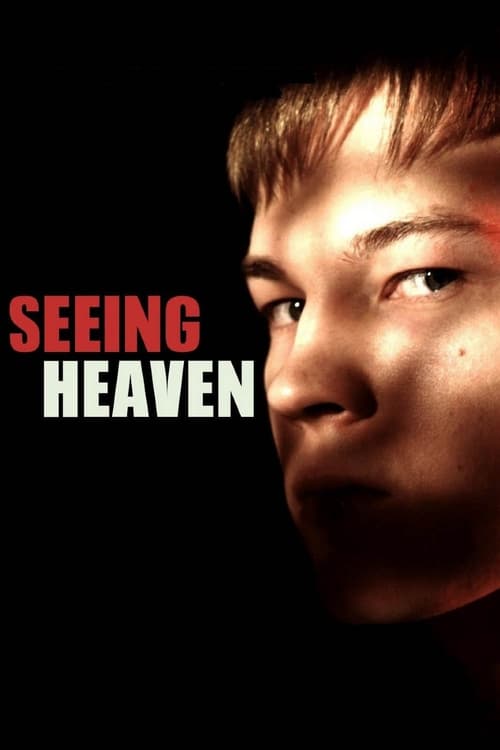
Ian Powell's *Seeing Heaven* delves into a space between reality and hallucinations. By focusing on an escort and his clients, the film shifts attention to shared psychological experiences rather than traditional social hierarchies. The narrative structure suggests an interest in breaking down conventional social roles. The protagonist's profession and the shared dream states offer a departure from typical domestic and masculine norms. However, the film lacks concrete evidence of identity-based influence. Without specific data on the cast's demographics or character orientations, the work remains in a middle ground of moderate inclusion.
Category Breakdown
The story revolves around an escort, a role often associated with queer identities. Although the premise hints at a break from traditional heterosexual relationships, there is no explicit confirmation of same-sex intimacy.
The protagonist challenges traditional masculine stereotypes through a role characterized by vulnerability and psychological flexibility. This approach deviates from typical portrayals of dominant masculinity, although the full extent of this deviation is not clearly verified.
The narrative provides no information regarding the racial or ethnic composition of the cast or the setting. No conclusions can be drawn regarding ethnic diversity.
The film emphasizes metaphysical exploration and subjective morality over strict social or religious structures. This focus on internal psychological truth indicates a fluid, postmodern narrative style.
The dream-like states could symbolize neurodivergence or altered mental states. However, it is unclear whether these states are portrayed as disabilities with real influence or merely as plot devices.
Present on Screen
Limited or Absent
Official Synopsis
A beautiful young escort suffers from trip-like dreams he doesn't understand. These visions are shared by his clients, both scaring and exciting them.
2015

1973
2016

2021

2009

2016
2007

2020
No reviews yet. Be the first to share your thoughts on this movie!
Use the rating form above to leave a star rating and optional review.