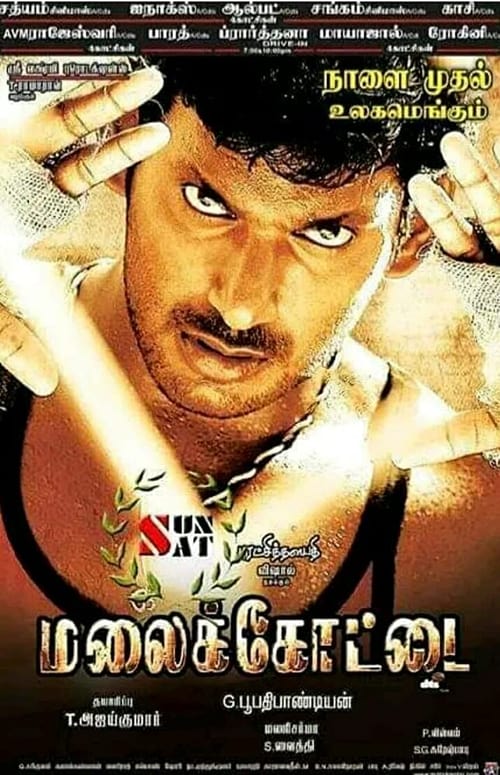
Malaikottai
2007
No user ratings available yet
Representation score: 4.0 out of 10
Representation Score
Minimal
2003
Not RatedDirector
Hari
Runtime
140 minutes
Average Rating
No ratings yetNew Showbiz Analysis
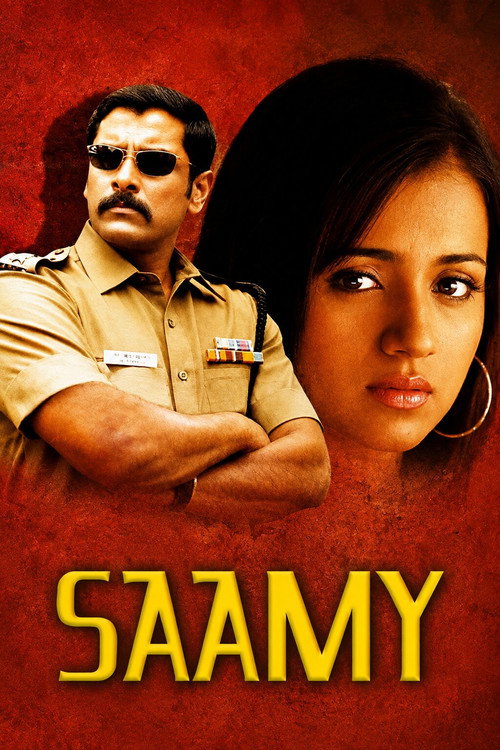
Saamy is a quintessential early 2000s Tamil action drama that prioritizes traditional social hierarchies and moral absolutism. The narrative centers on a singular male figure's redemption, reinforcing conventional power dynamics rather than challenging them. The film utilizes the 'righteous violence' cliché to validate state authority and individual heroism. By focusing on the protagonist's journey from corruption to discipline, the story seeks to restore the status quo rather than critique systemic issues. Ultimately, the film reinforces patriarchal and traditional social structures. It offers very little space for progressive narrative disruption or diverse representation.
Category Breakdown
The film operates within a strictly straight-centered framework. There is no presence of non-traditional gender identities or same-sex intimacy.
Gender hierarchies are traditional, with the male protagonist holding all authority and control. The female lead primarily serves as a catalyst for the hero's moral transformation.
The cast is culturally homogeneous, reflecting a specific South Indian regional setting. It focuses on a singular Tamil identity rather than diverse ethnic blending.
The story emphasizes family sanctity and institutional authority to maintain social order. It avoids critiquing religious or capitalist structures, focusing instead on local honor.
There are no portrayals of physical, neurodivergent, or sensory disabilities. Characters are defined by the physical capabilities required for action cinema.
Present on Screen
Limited or Absent
Official Synopsis
A policeman accepts bribes from corrupt politicians and local thugs to help them in their illegal work. However, he decides to correct his mistakes after he falls in love with a woman.
2007

2007
2010
2005
2002
2013
2018
2011
No reviews yet. Be the first to share your thoughts on this movie!
Use the rating form above to leave a star rating and optional review.