
Gunjan Saxena: The Kargil Girl
2020
No user ratings available yet
Representation score: 3.6 out of 10
Representation Score
Limited
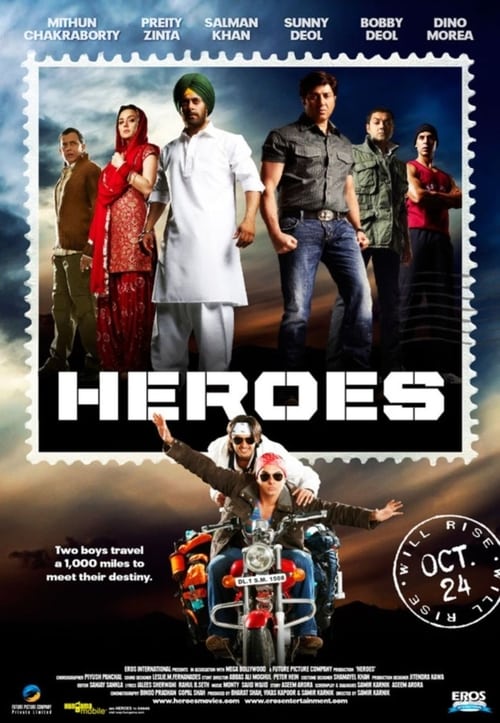
2008
RDirector
Samir Karnik
Runtime
140 minutes
Average Rating
No ratings yetNew Showbiz Analysis
Heroes deviates from conventional patriotic cinema by emphasizing the human cost of war over state-centric heroism. By centering the emotional lives of grieving women and skeptical protagonists, the film dismantles monolithic national narratives. The film stands out with its cultural authenticity and racial representation, offering a nuanced view of Indian identity during the Kargil War. It avoids typical 'war hero' clichés by focusing on the domestic consequences of geopolitical conflict. However, the film lacks representation for LGBTQ+ individuals and people with disabilities. Its scope remains confined to traditional familial and straight-centered structures.
Category Breakdown
The film does not include any LGBTQ+ characters or representations of non-straight relationships. The narrative focuses on wartime letters and their impact on family members.
The story emphasizes the female experience through the women receiving the soldiers' letters. This shifts the focus from the battlefield to the home front, highlighting emotional resilience.
A predominantly South Asian cast provides an authentic portrayal of Indian identities. The film avoids a Western perspective by focusing on the internal complexities of the Indian military.
The film critiques the glorification of conflict by contrasting soldierly duty with personal grief. It uses its protagonists to question patriotic fervor and the human cost of war.
There are no prominent depictions of physical, sensory, or neurodivergent disabilities within the main character arcs.
Present on Screen
Limited or Absent
Official Synopsis
Havaldar Balkar Singh, Captain Dhananjay Shergill and Lieutenant Sahil Naqvi are amongst numerous fatalities on India's side in the 1999 Kargil war against Pakistan. All 3 men had written their last letters to Kuljeet Kaur, Squadron Leader Vikram Singh, and Dr. Naqvi respectively. These letters were located 3 years later by IBN Reporter, Avinash Sarin, who entrusts them to two Indore-based slackers, Ali Shah and Sameer Suri, and asks them to deliver them to Chandigarh, Manali, and Leh respectively. Ali and Sameer set out to film this journey in order to get a graduation degree so that they can re-locate to America as well as televise it widely in order to convince the youth not to join any of India's armed forces.
2020
2004

2009

2004
2017

2017
2008
2021
No reviews yet. Be the first to share your thoughts on this movie!
Use the rating form above to leave a star rating and optional review.