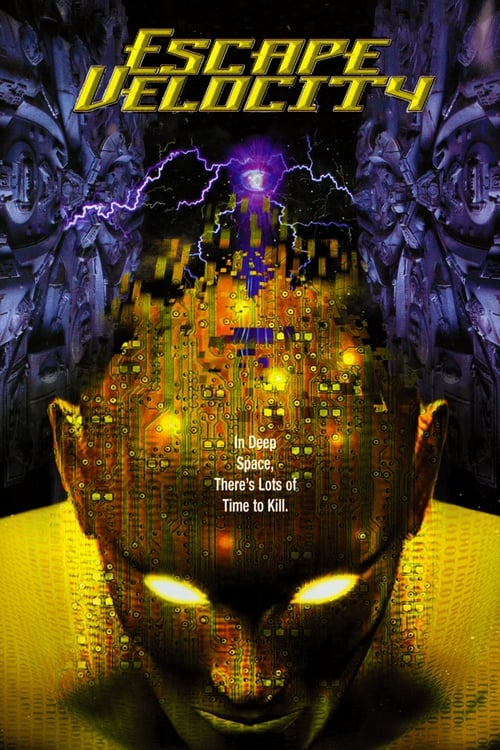
Escape Velocity
1999
No user ratings available yet
Diversity score: 2.9 out of 10
2000
RDirector
Lloyd A. Simandl
Runtime
92 minutes
Average Rating
No ratings yetSynopsis
In a lawless futuristic society, a rebel must prevent a tandem of renegades from destroying Los Angeles. An ex-star pilot is forced to stop a mad criminal and his gang after they've hi-jacked a huge space freighter with the intent of crashing it into Los Angeles destroying what is left of civilization. Time is running out.
Overall Score
Limited
Category Breakdown
LGBTQ+ Representation
The film lacks any evidence of non-cisnormative identities or same-sex intimacy. The narrative focus remains strictly on the central conflict between the protagonist and the antagonist.
Gender Representation
The story relies on traditional archetypes, centering on a male-coded ex-star pilot and a mad criminal. It follows conventional masculine leadership tropes without subverting gender hierarchies.
Racial & Ethnic Diversity
Set in a lawless Los Angeles, the film emphasizes a binary struggle between a hero and a gang. There is no evidence of intentional intersectional blending or diverse casting.
Religious & Cultural Diversity
The plot prioritizes the preservation of societal structures and institutional stability. This focus aligns with traditionalist values regarding the protection of established civilization against anarchy.
Disability Representation
Characters are framed through functional roles like pilot or criminal. There is no mention of characters navigating neurodivergence, physical disabilities, or chronic illness.
Strengths
Areas for Improvement
AI Analysis
Fatal Conflict is a conventional sci-fi action drama that adheres to early 2000s genre tropes. The narrative follows a classic hero’s journey, focusing on a singular protagonist tasked with neutralizing a centralized threat to preserve order. The film lacks intersectional complexity or systemic deconstruction. It functions as a standard exploration of order versus chaos, prioritizing the defense of civilization through traditionalist frameworks rather than diverse perspectives. Ultimately, the work relies on established cinematic archetypes, offering little in the way of progressive representation or social nuance.
No reviews yet. Be the first to share your thoughts on this movie!
Use the rating form above to leave a star rating and optional review.