
Yalancı Yarim
1973
No user ratings available yet
Representation score: 1.8 out of 10
Representation Score
Fair
1989
Director
Ertem Eğilmez
Runtime
105 minutes
Average Rating
No ratings yetNew Showbiz Analysis
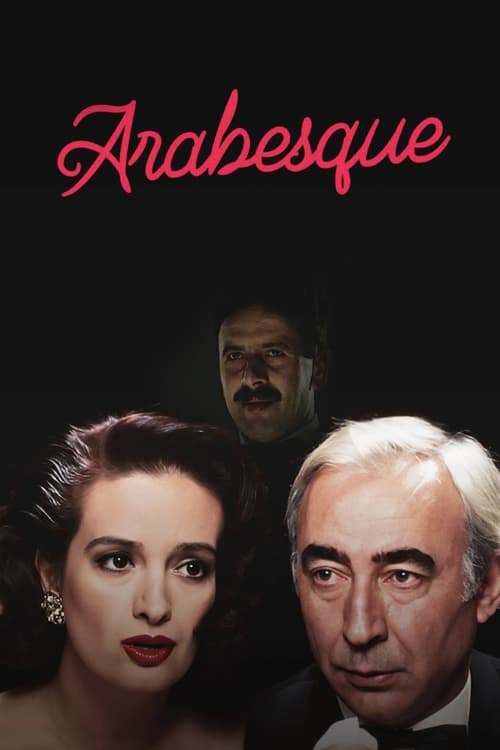
Arabesque is a high-intensity drama that emphasizes the lived experiences of the working class over polished, institutional narratives. Its strength lies in its critique of class structures and systemic hardship. However, the film remains tied to the social archetypes of its time. It lacks modern representations of diverse identities, particularly in gender roles and LGBTQ+ perspectives, which limits its progressive scope. Ultimately, the film offers a powerful exploration of social displacement and the emotional reality of the underclass, even while adhering to traditional narrative frameworks.
Category Breakdown
The film focuses solely on heterosexual relationships and does not include any representation of LGBTQ+ identities or critiques of heterosexuality.
Female characters play key roles in driving the emotional storyline but often conform to traditional gender roles and stereotypes.
The story centers around the cultural identity of Turkey and explores the protagonist's experience as an outsider due to socioeconomic factors rather than ethnic diversity.
The film excels by highlighting the disenfranchised through the Arabesque musical genre. It critiques social hierarchies and the gap between the wealthy and those underrepresented by society.
There is no portrayal of characters with disabilities having a significant role in driving the story. The suffering depicted is mainly related to socioeconomic and emotional issues.
Present on Screen
Limited or Absent
Official Synopsis
Sener and Müjde, who can never come together because of endless obstacles and misunderstandings, slowly drift into the plaintive world of arabesque music.
1973

1965
1971

1977

1979

1984
1985
1989
No reviews yet. Be the first to share your thoughts on this movie!
Use the rating form above to leave a star rating and optional review.