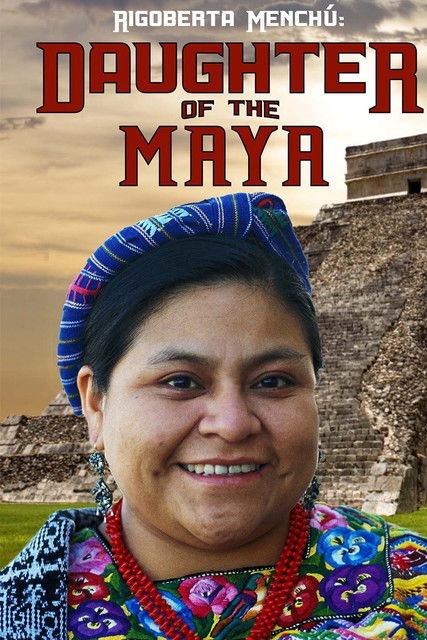
Rigoberta Menchu: Daughter of the Maya
2016
No user ratings available yet
Representation score: 5.0 out of 10

Representation Score
Good
2015
Director
Mikael Wiström
Runtime
101 minutes
Average Rating
No ratings yetNew Showbiz Analysis
Storm in the Andes is an investigative documentary that prioritizes socio-political history over traditional Western-centric storytelling. By centering Josephine's journey to uncover the truth about her Peruvian aunt, the film challenges patriarchal inheritance and highlights the ability to act of underrepresented populations. The film excels in its deep engagement with non-Western, South American socio-political histories, providing a meaningful look at systemic identity and historical deconstruction. However, the film lacks representation in other key areas, such as LGBTQ+ identities and disability representation.
Category Breakdown
The film does not include any explicit LGBTQ+ characters or non-straight relationships. The story focuses solely on familial ties and political conflicts.
Josephine drives the narrative through her quest for truth, breaking away from passive inheritance roles. The legendary Augusta is portrayed as a revolutionary leader rather than a traditional domestic figure.
The documentary centers on Peruvian social struggles and the legacy of underrepresented ethnic groups. It explores non-Western power dynamics through the lens of class-based conflict.
The narrative engages with systemic critiques of established hierarchies and anti-capitalist themes. It moves toward a complex, subjective understanding of historical conflict and revolutionary legends.
There is no evidence of characters with visible or invisible disabilities within the film's context.
Present on Screen
Limited or Absent
Official Synopsis
Josephine has all her life been told that her Peruvian aunt Augusta died in an armed struggle for the rights of the poor. As an adult Josefin decides to find out the truth about the legendary Augusta.
2016

2010

2010
2016

2017

2011

2003

2015
No reviews yet. Be the first to share your thoughts on this movie!
Use the rating form above to leave a star rating and optional review.