An Image
1983
No user ratings available yet
Representation score: 2.0 out of 10

Representation Score
Limited
1963
Director
Russ Meyer
Runtime
55 minutes
Average Rating
No ratings yetNew Showbiz Analysis
Heavenly Bodies shifts the narrative focus towards women, disrupting the era's tendency to marginalize women to submissive or domestic roles. However, the film is limited by the demographic homogeneity typical of 1960s exploitation cinema. It lacks the complexity needed to address broader identity-based narratives or socio-political critiques. Ultimately, while it challenges traditional gender roles, it remains a commercial product that lacks significant representation of LGBTQ+ identities or racial diversity.
Category Breakdown
The film does not explicitly depict LGBTQ+ identities or non-straight relationships. It focuses more on visual aesthetics than identity-driven stories.
The film challenges traditional gender hierarchies by placing women at the center of the narrative. Women play key roles and are not relegated to secondary positions.
Casting reflects the demographics typical of early 1960s American exploitation films. There is no indication of significant racial diversity or intentional casting of non-white actors.
The film operates within a secular, visually driven framework prioritizing photography over religious themes. It functions primarily as a commercial product of its time.
There is no evidence of characters with physical or neurodivergent disabilities being included or depicted.
Present on Screen
Limited or Absent
Official Synopsis
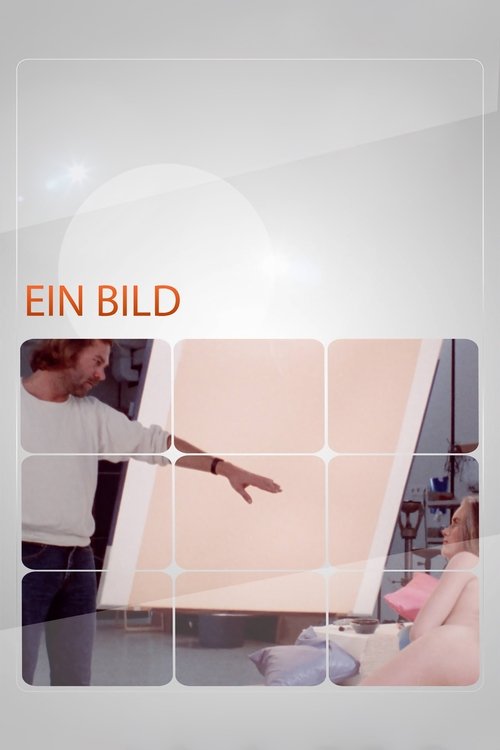
A group of filmmakers shadow some glamour photographers in order to discover the skill involved in getting 'magic' to appear on the photos.
1983
1966
1963

2003

2004
1965
1985

2016
No reviews yet. Be the first to share your thoughts on this movie!
Use the rating form above to leave a star rating and optional review.