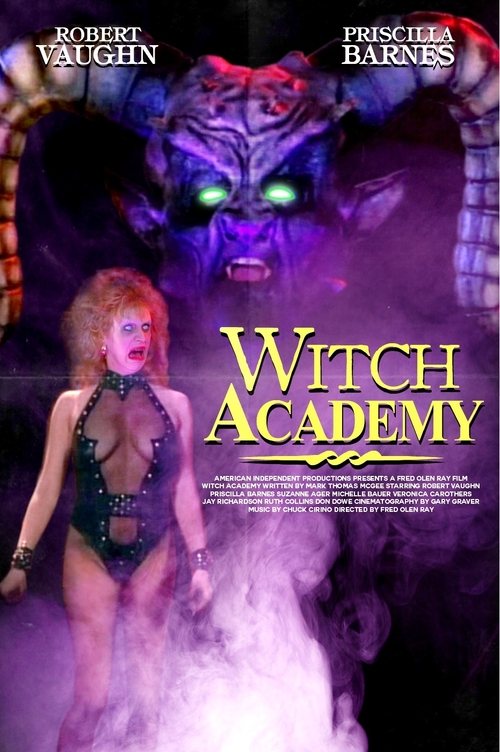
Witch Academy
1995
No user ratings available yet
Diversity score: 2.7 out of 10
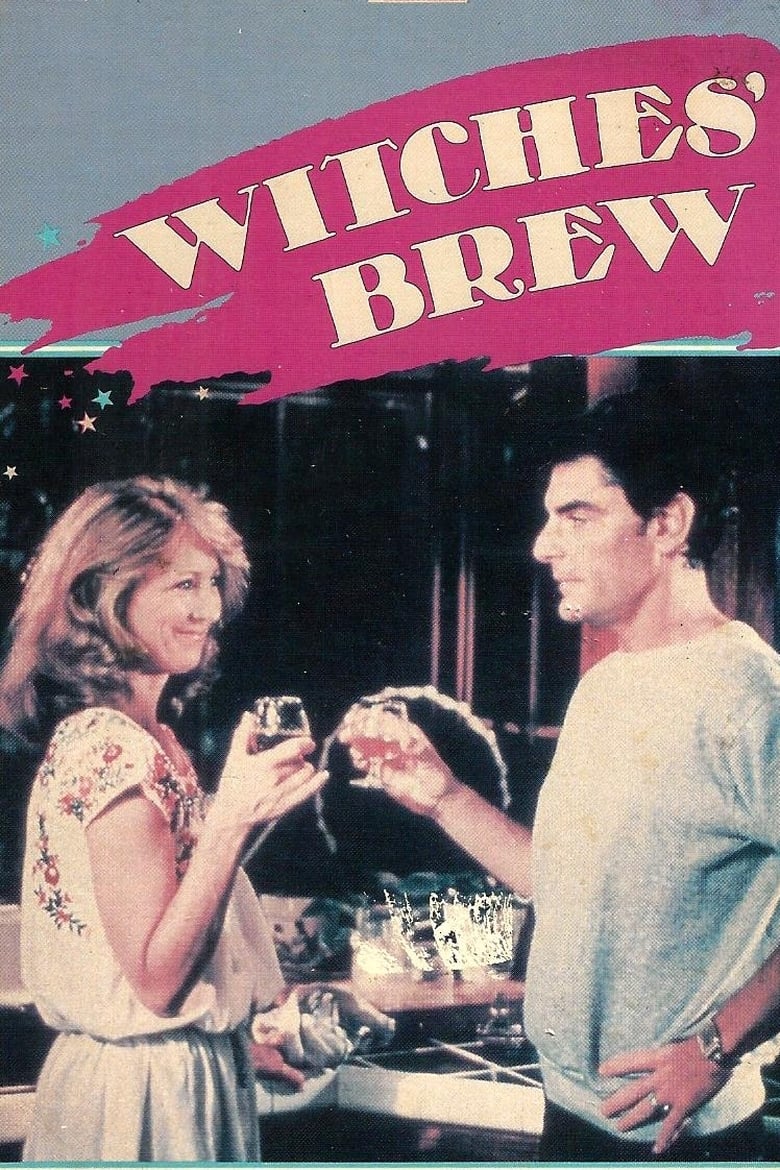
1980
Director
Herbert L. Strock, Richard Shorr
Runtime
98 minutes
Average Rating
No ratings yetSynopsis
Three women use witchcraft to help their professor husbands further their careers. When a higher position becomes available in the university, they turn on each other.
Overall Score
Limited
Category Breakdown
LGBTQ+ Representation
The film lacks explicit LGBTQ+ characters or non-heteronormative identities. The narrative focuses on relationships between women and their husbands, adhering to traditional heteronormative structures.
Gender Representation
Women serve as the primary drivers of the plot rather than passive domestic figures. Their competition for professional advancement shifts agency away from the male characters.
Racial & Ethnic Diversity
The film appears to follow the homogeneous casting norms typical of 1980s genre cinema. There is no indication of a non-white majority cast.
Religious & Cultural Diversity
The story uses witchcraft to critique academic hierarchies and professional ethics. It portrays the university as a site of personal ambition rather than moral leadership.
Disability Representation
There is no evidence of characters with visible or invisible disabilities within the narrative.
Strengths
Areas for Improvement
AI Analysis
Witches' Brew functions as a genre-driven dark comedy that offers a surprising amount of agency to its female protagonists. By positioning women as the architects of their own professional destinies through witchcraft, the film subverts the trope of the supportive, passive wife. However, these narrative gains are offset by a lack of demographic breadth. The film operates within a traditional social framework, lacking LGBTQ+ representation and appearing to follow the homogeneous racial casting standards of 1980.
1995
1979
2014

2011
2022
1983

1988
1995

1990
2011
1977

2017
No reviews yet. Be the first to share your thoughts on this movie!
Use the rating form above to leave a star rating and optional review.