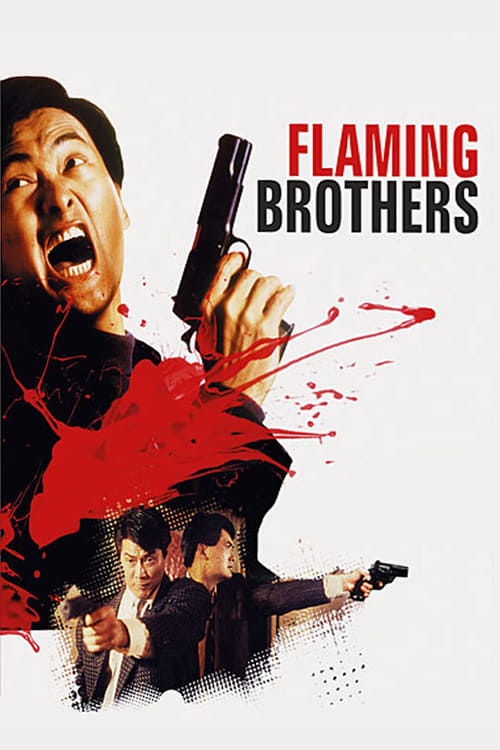
Flaming Brothers
1987
No user ratings available yet
Diversity score: 3.8 out of 10
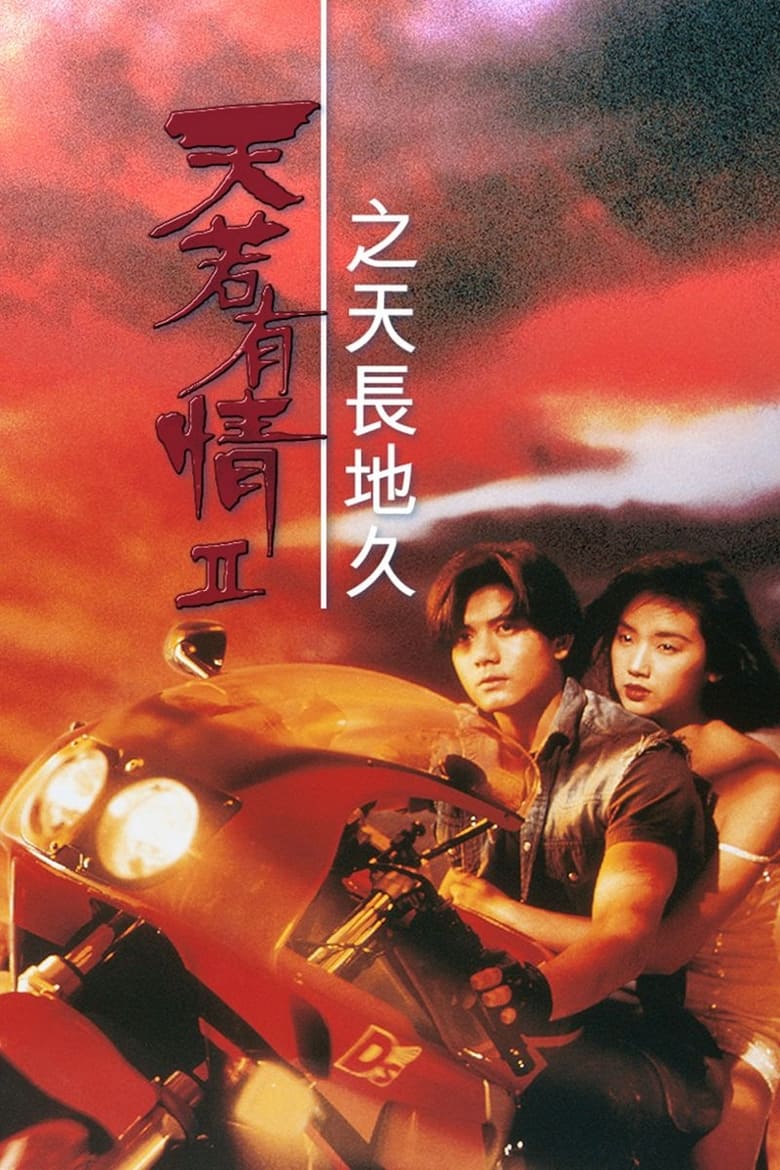
1993
Director
Benny Chan
Runtime
87 minutes
Average Rating
No ratings yetSynopsis
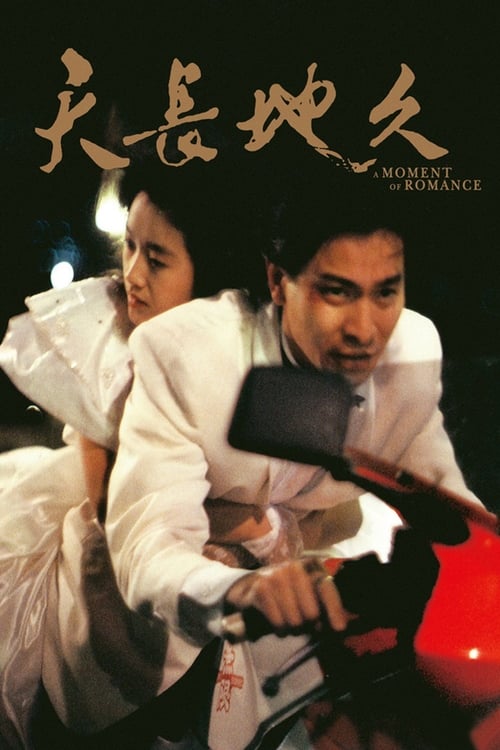
A street racer encounters a mainland courtesan under an extraordinary circumstances. A moment of Romance between them follows after.
Overall Score
Limited
Category Breakdown
LGBTQ+ Representation
The film adheres to traditional heteronormative structures common in 1990s Hong Kong melodrama. It lacks non-cisnormative gender identities or same-sex intimacy, focusing instead on a conventional male-female pairing.
Gender Representation
The narrative leans toward traditional gender hierarchies, often positioning the male protagonist as the high-agency, protective figure. While the female lead possesses emotional depth, her agency is frequently tied to her relationship with the male lead.
Racial & Ethnic Diversity
As a localized Hong Kong production, the film features a predominantly ethnically Chinese cast. It reflects the demographic reality of its setting without actively engaging with multi-ethnic blending or racial diversity.
Religious & Cultural Diversity
The story explores subjective morality through characters living on the fringes of society. It frames criminal activity through personal loyalty and tragic necessity, offering a nuanced view of systemic hardship.
Disability Representation
There is no evidence of characters with visible or invisible disabilities being afforded agency. The film prioritizes physical prowess and romantic melodrama over neurodivergence or physical disability.
Strengths
Areas for Improvement
AI Analysis
A Moment of Romance II is a quintessential product of its era, prioritizing genre-specific tropes like the 'tragic outlaw' over the deconstruction of social hierarchies. The film functions within a culturally homogeneous landscape, reflecting the specific demographic of 1990s Hong Kong cinema. While the narrative provides a nuanced look at characters operating outside mainstream societal structures, it relies heavily on traditional gender roles and heteronormative romantic arcs. This conventional storytelling framework limits its progressive impact. Ultimately, the film excels at portraying the struggles of the lower socioeconomic strata through a lens of personal loyalty, even as it remains rooted in established melodramatic traditions.
1987

1994
1989
1996
1990
No reviews yet. Be the first to share your thoughts on this movie!
Use the rating form above to leave a star rating and optional review.